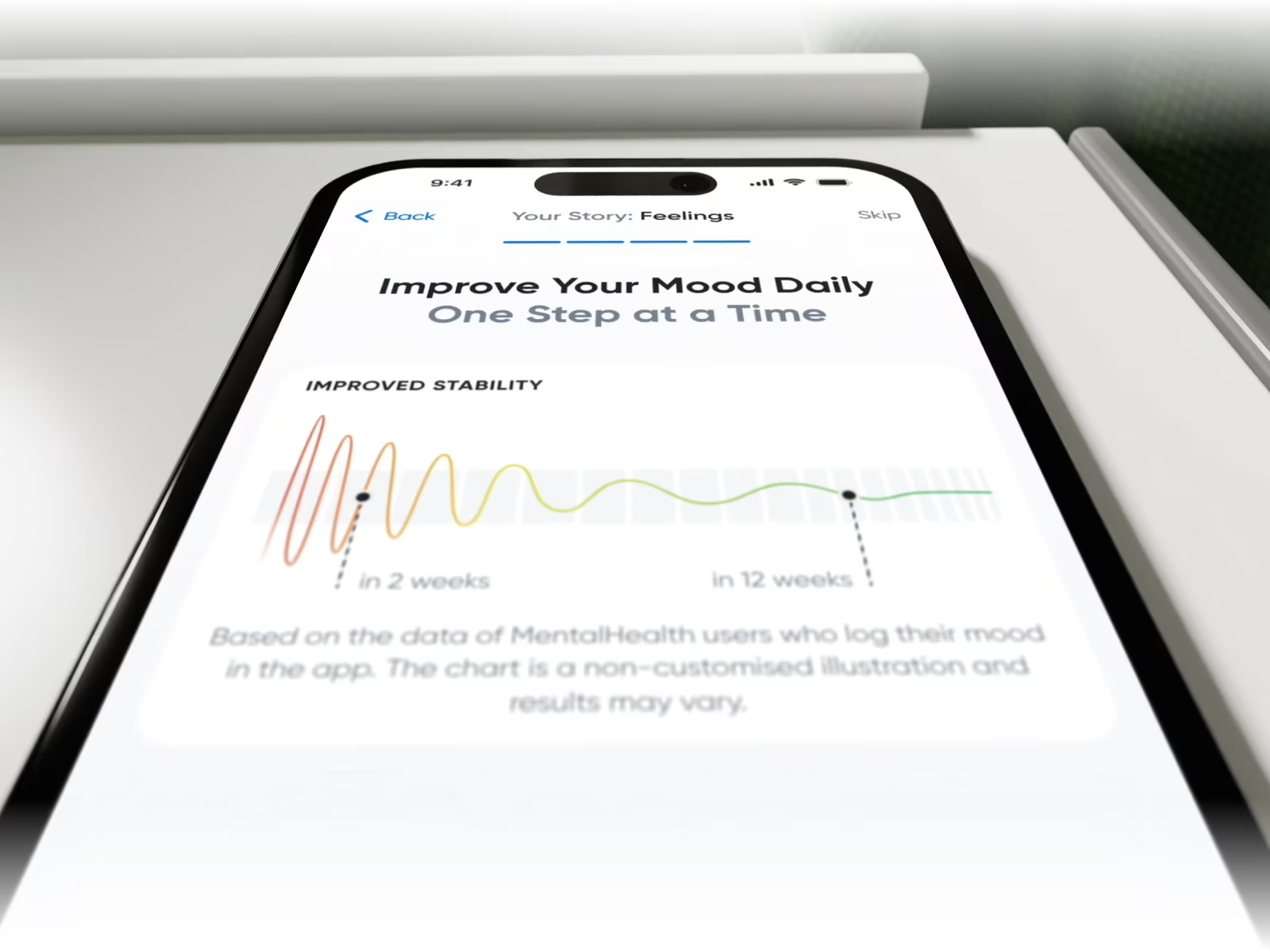
The future of mental health with AI.
Imagine a world where mental health support is always within reach, understanding your subtle emotional shifts even when words fail. An AI platform that combines continuous monitoring with therapist access, promising earlier intervention and a more proactive path to well-being.

Abstract: Imagine a world where mental health support is always within reach, understanding your subtle emotional shifts even when words fail. This article unveils a groundbreaking AI platform that combines continuous monitoring with therapist access, promising earlier intervention and a more proactive path to well-being.
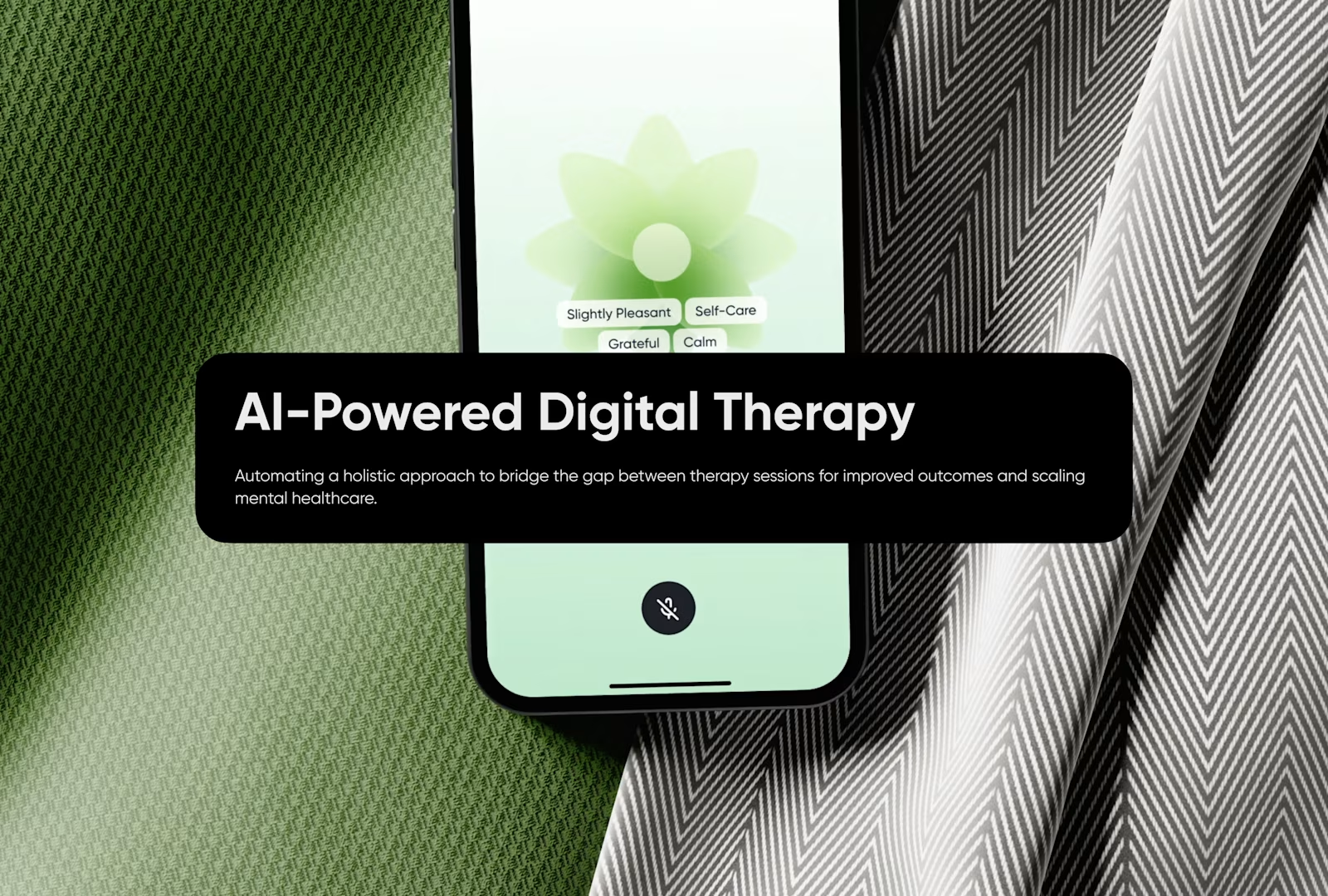
In our hectic lives, we often prioritize our physical health, diligently tracking steps and carefully choosing our diets, striving to keep our bodies in the best shape. However, our minds and our psychological well-being frequently go unnoticed despite their undeniable importance to our happiness and overall quality of life.
Just as a sudden cough can signal an underlying physical ailment, changes in our emotions, increased stress levels, anxiety, or a sudden dip in mood are crucial indicators of our mental health status.
Ignoring these signals can have detrimental effects on our overall well-being, the quality of our relationships, our productivity at work, and even our long-term physical health.
Unfortunately, this problem is global. According to recent data, over 970 million people worldwide are living with mental disorders. Among these, anxiety disorders and depression are the most prevalent, significantly impacting the lives of millions.
2 out of 5 adults.
annually face mental health problems.
67% of patients.
end therapy after only 5 sessions, a serious challenge for the effectiveness of treatment.
64% of patients.
have difficulty finding a therapist that meets their needs.
83% of therapists.
report difficulties in keeping patients engaged between sessions.
3–4 attempts.
on average, it takes for a patient to find a suitable specialist.
As you can see, the issue of mental health is extremely pressing and requires our collective attention.
Scale of mental health challenges.
One of the key elements in supporting mental health is the opportunity for open and trusting communication with a qualified psychologist. Regular consultations can help individuals understand complex emotional states, identify the root causes of their problems, and learn effective strategies to overcome them.
This is where we encounter a series of problems that exist in the current mental health support system:
We noticed that many patients struggle with their condition between sessions, while therapists lack the data to fully understand the patterns forming outside the therapy room. We realized that technology could solve this problem, but the approach had to be rooted in deep empathy, automation, and a holistic vision of human health.
MND: making mental health monitoring accessible and affordable.
Therefore, driven by the pressing need for better mental health support and with the aim of making it more accessible for everyone, our team has been exploring innovative ways to leverage technology to address this “silent struggle”.
MND — a revolutionary digital platform for mental health, powered by AI, delivering continuous psychological support through automated diagnostics, personalized therapeutic plans, and real-time monitoring of emotional and physical well-being.
Born in response to the growing mental health crisis, the platform unites telemedicine, coaching, and community to bridge the “167-hour gap” between therapy sessions.
For patients.
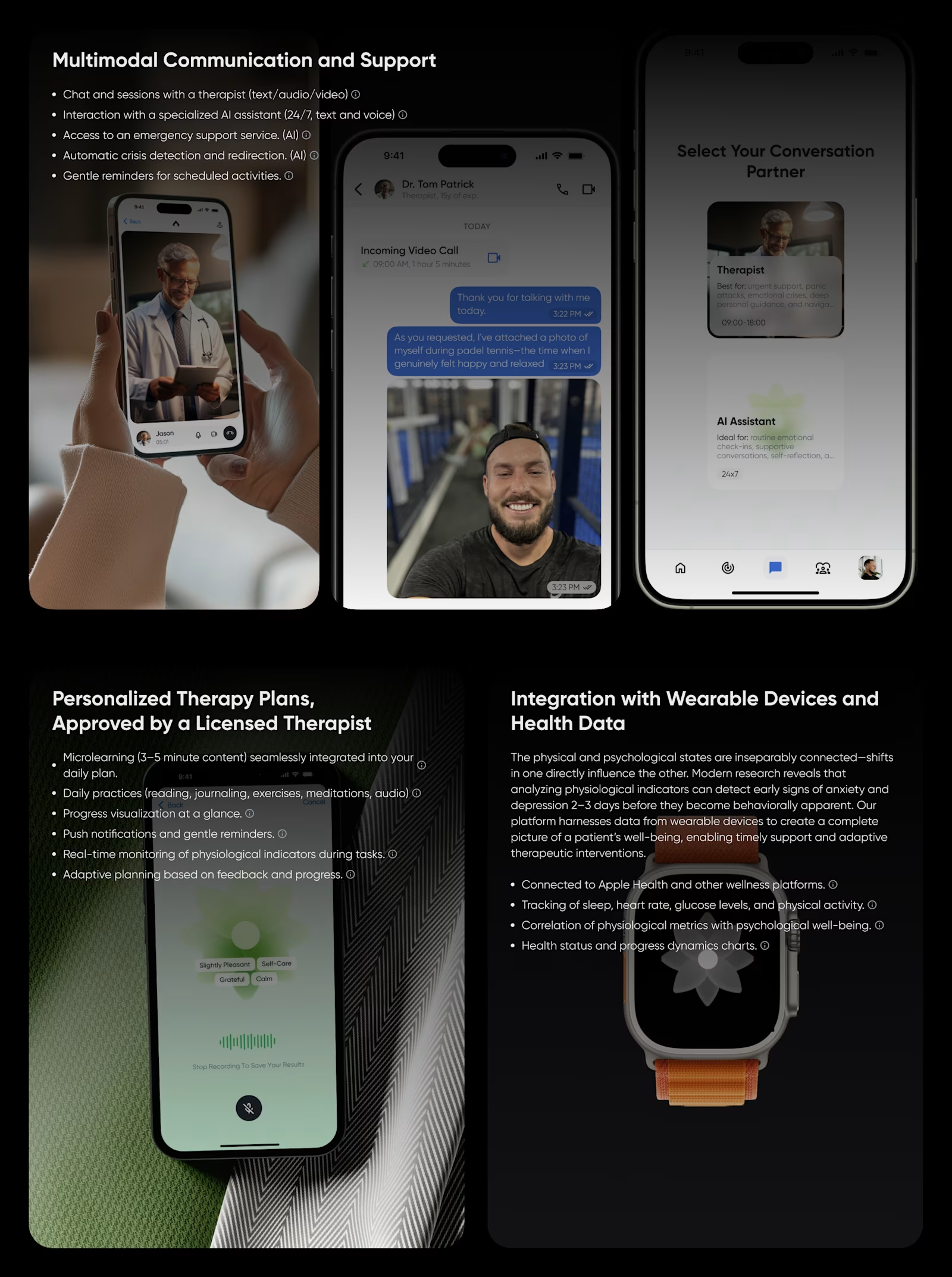
For Therapists, the platform provides:
- Additional information about patients’ condition: Data collected by AI can help therapists gain a fuller picture of a patient’s emotional state between sessions.
- Opportunity for a more proactive approach: Therapists can react to changes in patients’ conditions earlier.
- More efficient use of session time: Having preliminary information, therapists can use consultation time more purposefully.
- Expanded capabilities: AI can help therapists reach a larger number of patients.
Projected results.
Based on our pilot testing and market research, we anticipate significant positive outcomes for both patients and therapists using our platform. Here are some of the projected results we’re excited about:
- 3x increase in therapy effectiveness through continuous interaction.
- 74% higher adherence to therapeutic tasks between sessions.
- 67% reduction in session time spent on review, allowing for deeper therapeutic work.
- 42% decrease in crisis interventions due to early detection.
- 58% increase in the objectivity of diagnosis and treatment thanks to AI support.
- 62% more accurate analysis of the therapeutic process through transcription and search capabilities.
- 85% higher patient satisfaction due to a system for matching with the right therapist.
- 30% reduction in the cost of therapy while significantly improving the quality of services.
These projected results underscore the transformative potential of our platform in revolutionizing mental healthcare.
Conclusion.
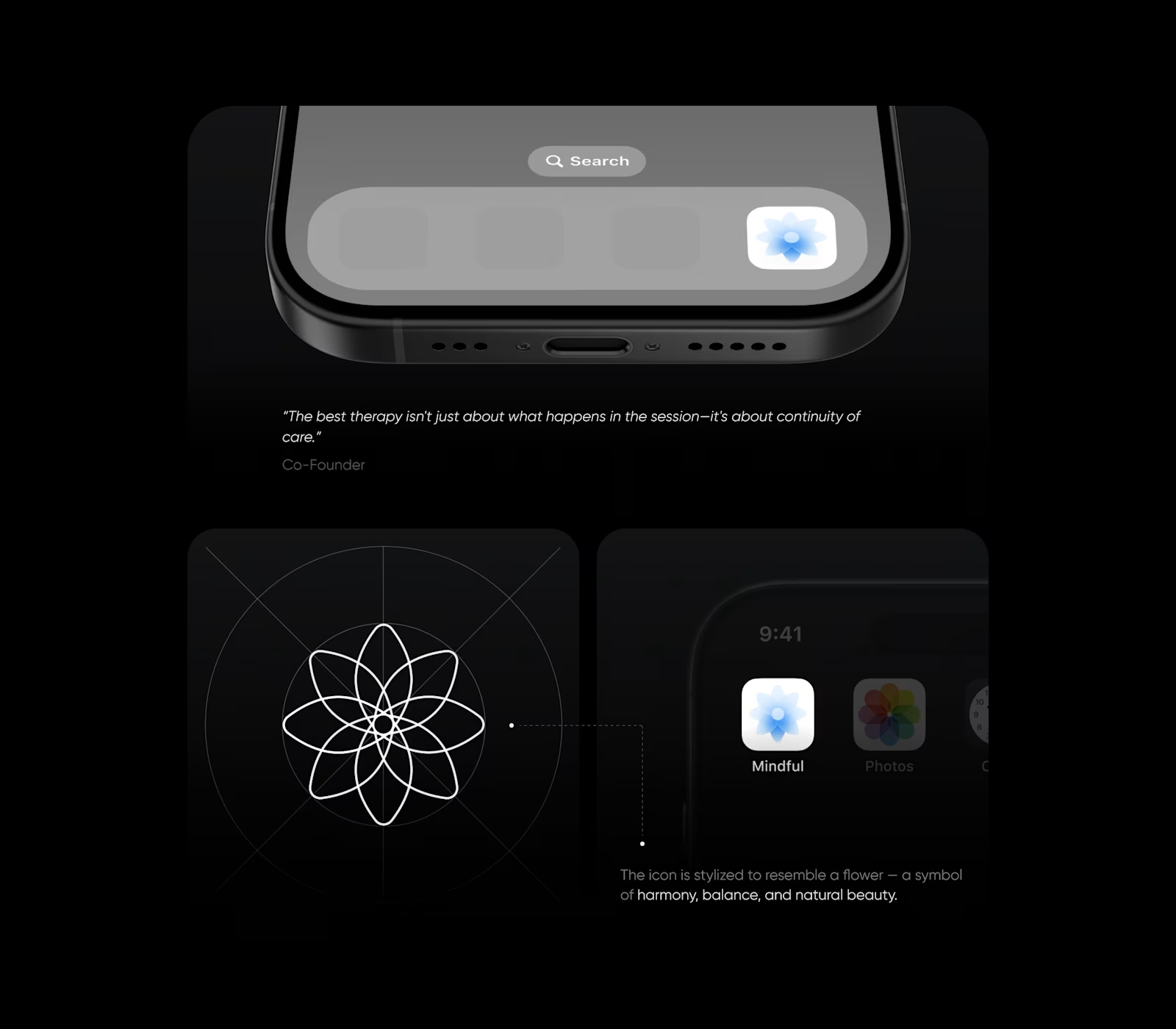
The core of what we’re building is this: a powerful combination of real human connection with qualified psychologists and the constant, insightful support of AI. We truly believe this blend offers a new and more effective path to better mental health, helping you understand yourself and get the support you need, precisely when you need it most.