MND: Transforming
mental healthcare through
AI-enhanced therapy.
mental healthcare through
AI-enhanced therapy.
Revolutionizing therapeutic outcomes with an AI companion that bridges sessions and amplifies human connection, boosting therapy effectiveness by 3x.
Executive summary.
Therapy happens weekly. Emotions don't.
Between sessions, patients struggle alone while therapists work blind—missing critical patterns, warning signs, and breakthroughs that happen in the 167 hours between appointments.
Therapy transformed: 89% deeper insights, 67% more productive sessions, 91% of patients feeling truly supported.
No more lost progress between appointments. No more crisis surprises. Just continuous, connected care that actually works.
We built MND—an AI companion that bridges the gap between sessions.
Patients get 24/7 support when they need it most. Therapists receive real-time insights into moods, triggers, and progress. One connected experience that makes every session count.
The best therapy isn't just about what happens in the session—it's about continuity of care.
Therapy is deeply personal. It demands sensitivity, trust, and genuine connection. Yet traditional psychotherapy, constrained by brief, isolated interactions, can struggle to maintain meaningful patient engagement between sessions.
Client.
The client, a collective of forward-thinking psychotherapists and tech entrepreneurs, recognized that the traditional therapy model was falling short. Despite the effectiveness of professional therapy, the limited visibility between sessions left therapists and patients with critical blindspots.
They envisioned transforming therapy—not by replacing human therapists, but by amplifying their insights with AI-driven empathy. They dreamed boldly of blending professional expertise with cutting-edge AI, making treatment more effective, intimate, and continuous.
Challenge.
The mental health sphere is oversaturated with apps for meditation and mood tracking, yet these tools exist separately from professional help. As a result, therapists are forced to work with limited data, relying on patients’ self-assessment, which can be subjective and incomplete.
In the context of today’s world, where nearly 72% of the population experiences increased anxiety, these problems become particularly acute.
Several key challenges have been identified:
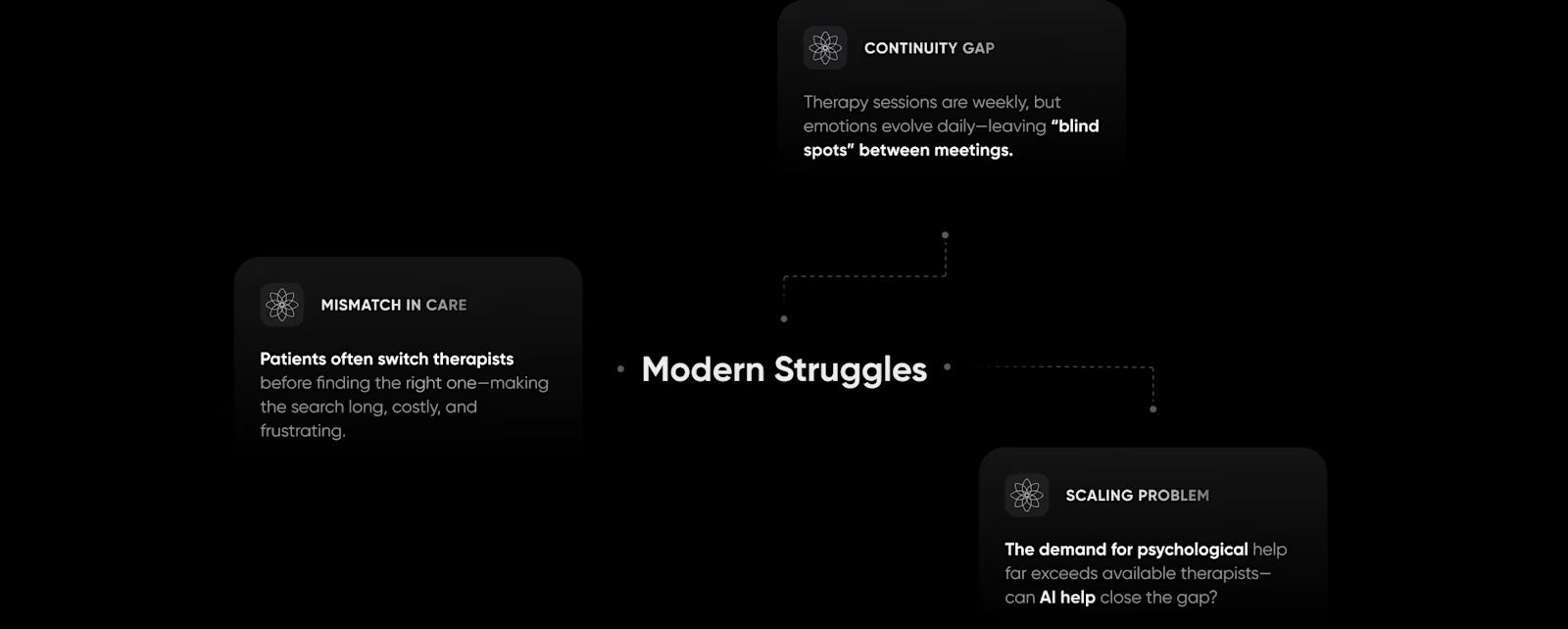
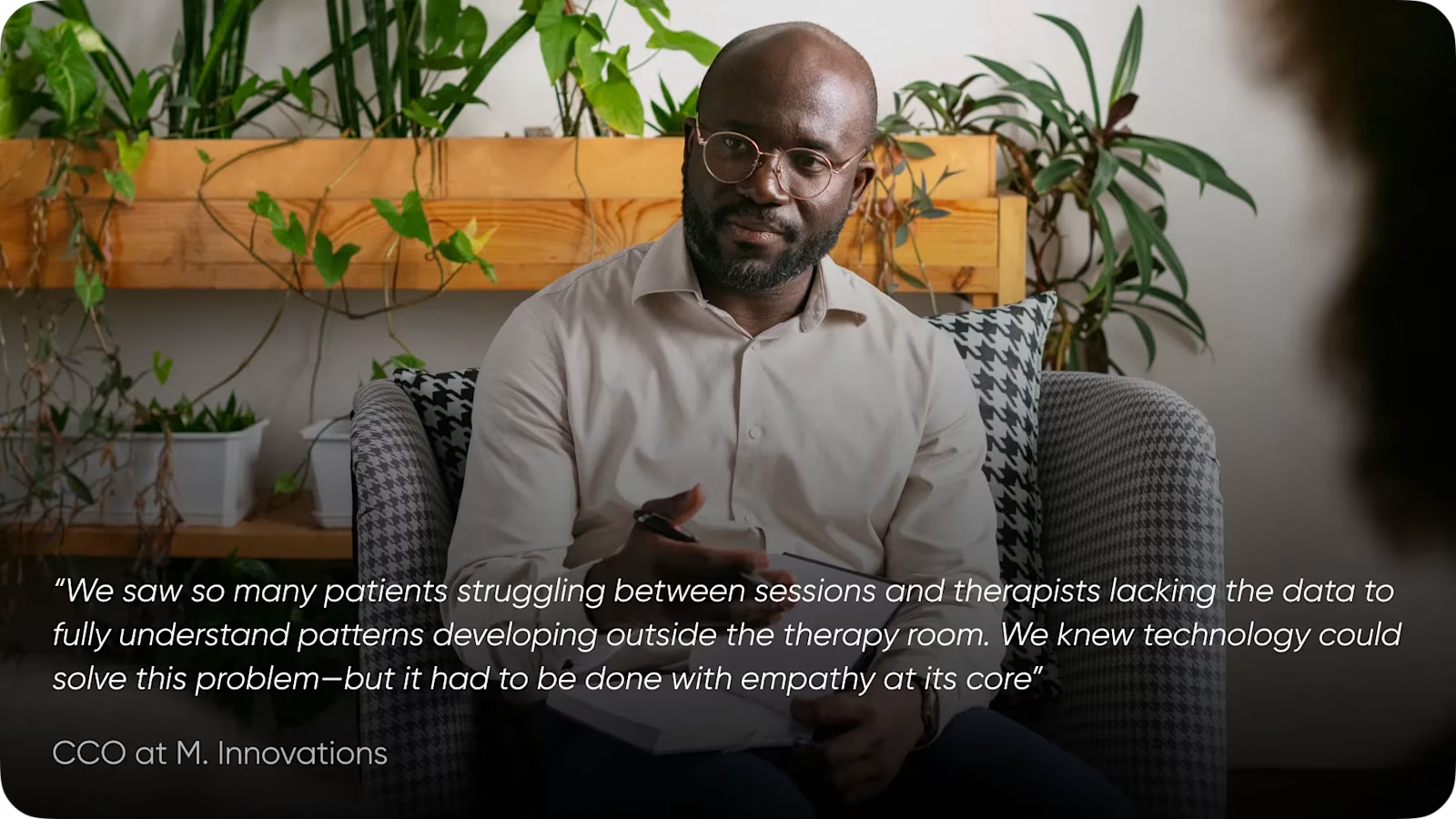
We noticed that many patients struggle to cope between sessions, while therapists lack the data to fully understand the patterns forming outside the office. We realized that technology could solve this problem, but the approach had to be based on deep empathy, automation, and a holistic view of human health.
Statistics.
Projected global mental health market size by 2026.
2 in 5 adults.
Experience mental health challenges each year.
67% of patients.
End therapy after just 5 sessions — a serious challenge for treatment effectiveness.
83% of therapists.
Report difficulties keeping patients engaged between sessions.
64% of patients.
Struggle to find a therapist who meets their needs.
3–4 attempts.
Average number of tries it takes for a patient to find the right specialist.
![[REUSE] Video Asset Placeholder - Thumbnail](https://images.ctfassets.net/5rxh0eqx99dy/2wIA8SkOxyq4lkm7jxAEct/87d48e25e1e47b7f3b101e3824e71192/waves-thumbnail.webp?w=1600&fm=avif&q=90)
Solution.
A revolutionary AI-powered mental health platform, delivering continuous psychological support through automated diagnostics, personalized therapeutic plans, and real-time monitoring of emotional and physical well-being.
Born in response to the growing mental health crisis in worldwide, this platform bridges the "167-hour gap" between therapy sessions—uniting telemedicine, coaching, and a supportive community into one powerful ecosystem.
For patients.
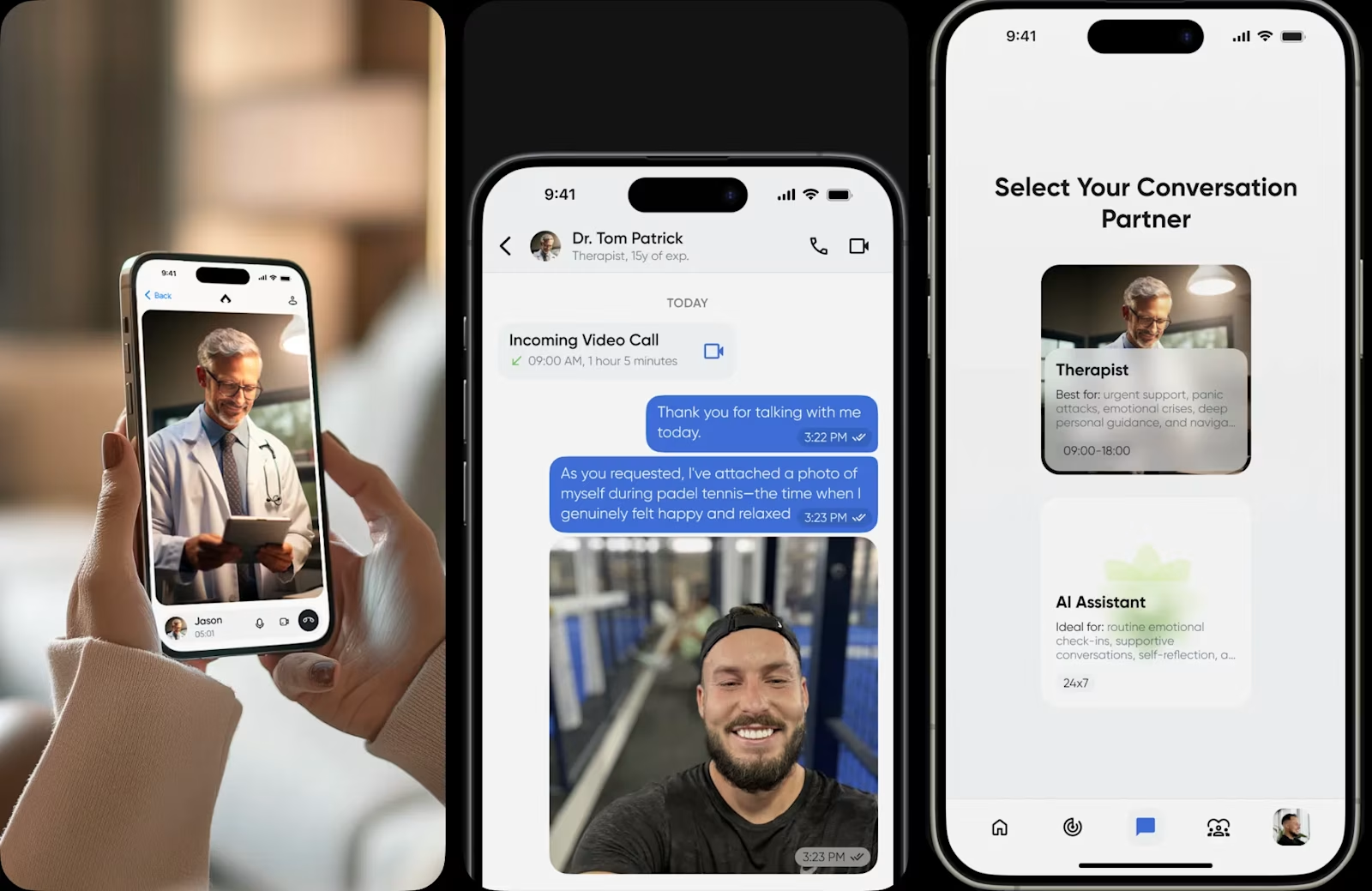
Multimodal Communication & Support
- Chat and sessions with a therapist (text/audio/video)
- Interaction with a specialized AI assistant (24/7, text and voice)
- Access to emergency support services
- Automatic detection of crisis situations and redirection
- Reminders for scheduled activities
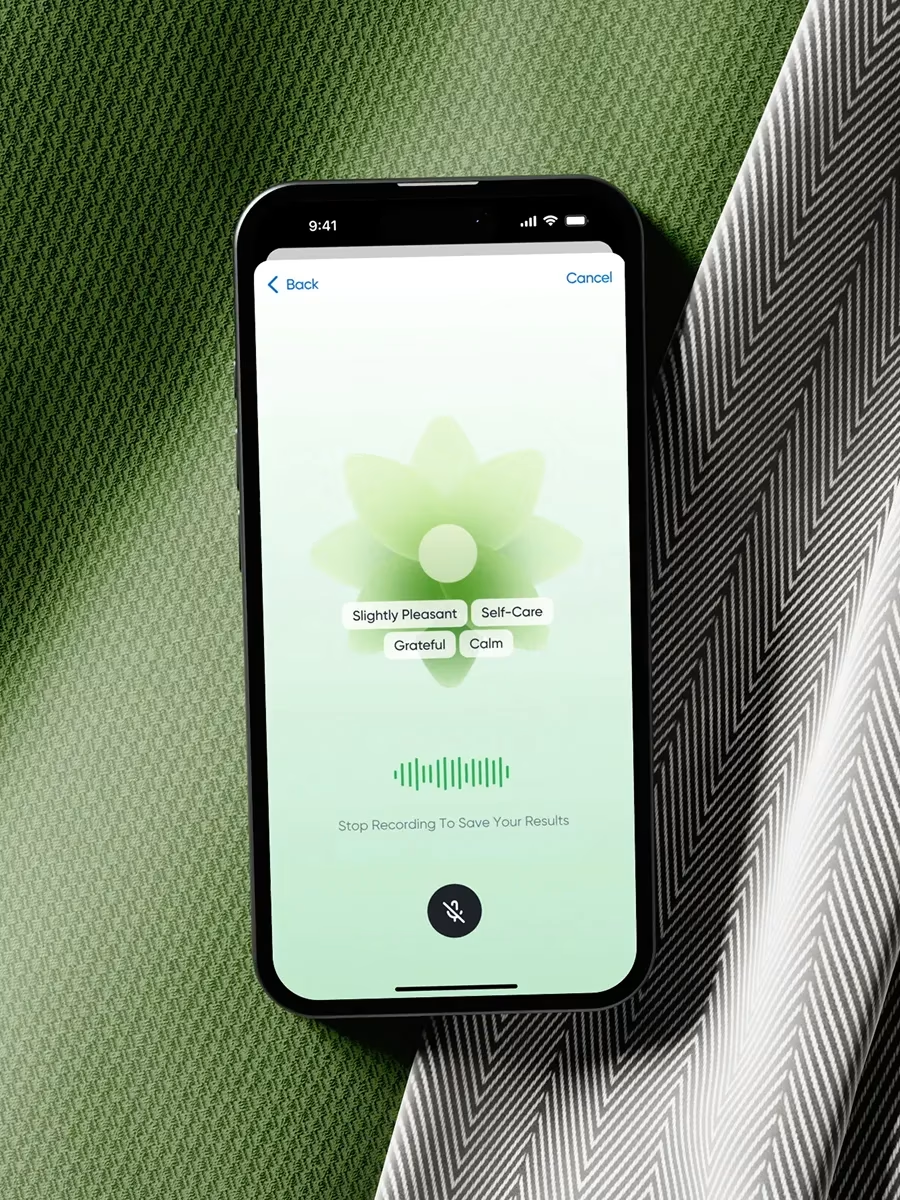
Personalized Therapy Plans, Approved by Therapist
- Microlearning (3–5 minute content) integrated into the daily plan
- Daily tasks (reading, journaling, exercises, meditation, audio)
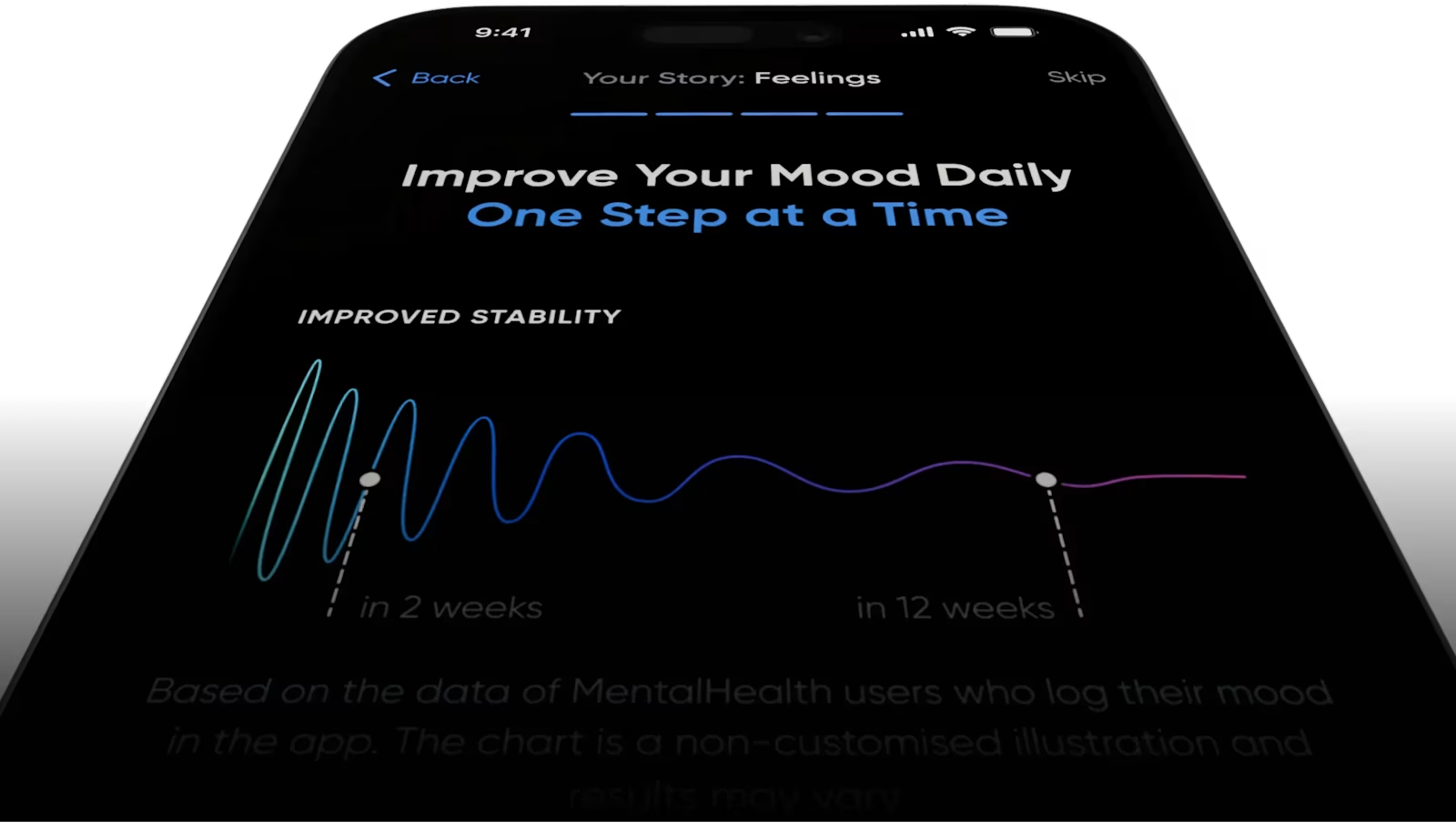
- Progress visualization
- Push notifications and reminders
- Monitoring of physiological indicators during task completion
- Plan adaptation based on feedback and progress

Community & Education
Mental health is closely connected to social interaction and continuous learning. Research shows that patients engaged in supportive communities and with access to educational resources achieve 63% better therapy results. Our platform creates a safe space for social interaction and learning, enhancing therapeutic effects and preventing relapses.
- Free and paid group sessions
- Themed online seminars and workshops
- Personalized educational materials and articles
- Special offers for sports and rehabilitation

Search and Intelligent Matching of Therapists
The patient–therapist relationship is a key factor in successful therapy. Research shows that up to 70% of the therapeutic effect depends on the quality of this relationship. In the traditional model, patients are forced to turn to several specialists, spending time and money, before they find “their” therapist. Our system, similar to how Airbnb connects travelers with unique accommodations, creates personalized matches between patients and therapists.
- Search based on detailed ratings, honest reviews from real patients, narrow specialization, and current availability.
- System of trial 15-minute consultations with several potential therapists.
- Intelligent recommendations based on the psychological profile.
- Transparent system of verifying therapists’ specialization and verified profiles.

Motivational Support in Coaching Format
One of the main reasons for the ineffectiveness of traditional therapy is decreased patient motivation between sessions. Up to 76% of patients struggle to follow their therapeutic plan without regular external stimulus. Our integration of coaching principles into therapy helps patients stay motivated, celebrate their achievements, and develop self-reliance in managing their own mental state.
- Personalized motivational notifications.
- Progress support techniques.
- Celebrating achievements and small victories.
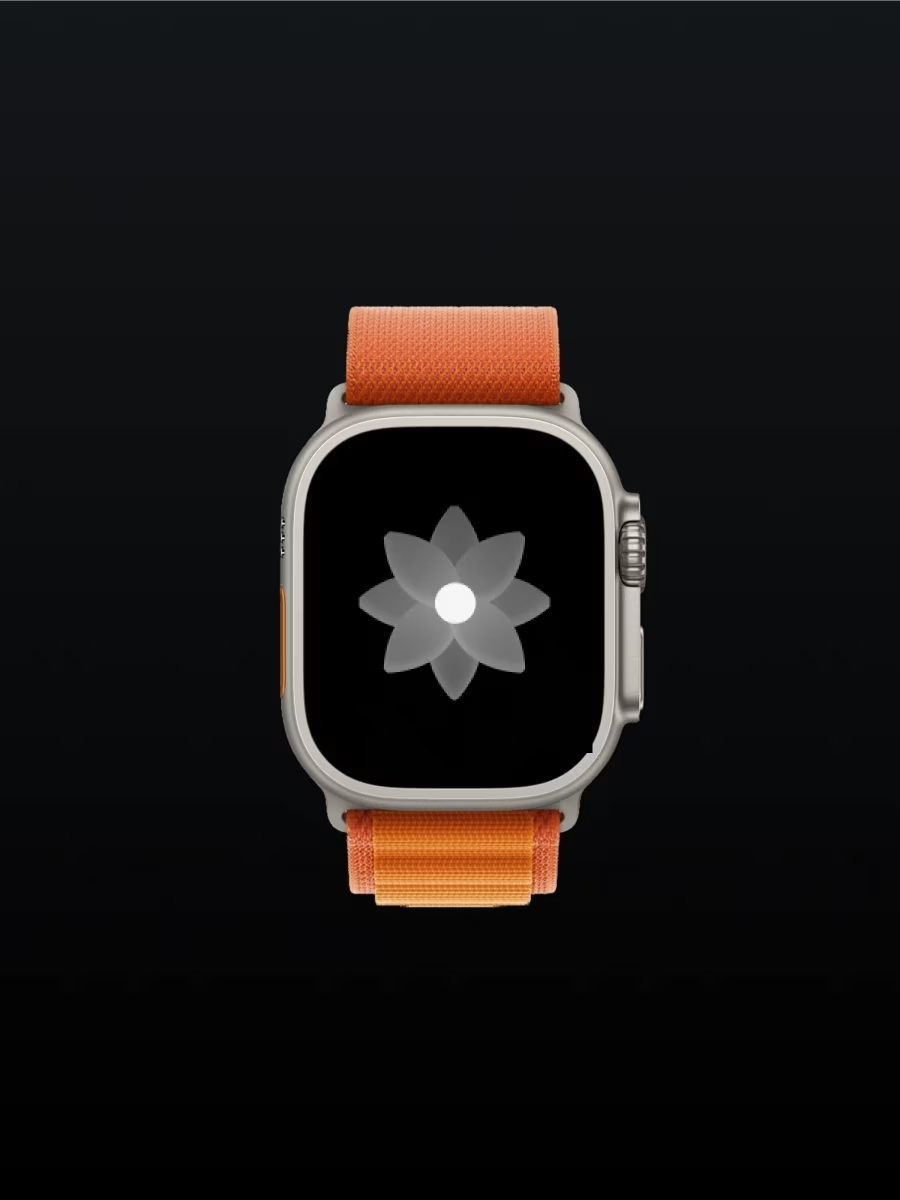
Integration with Wearable Devices and Health Data
Physical and mental health are closely connected — changes in one directly impact the other. Modern research shows that analyzing physiological indicators can detect signs of anxiety and depression 2–3 days before they become visible in behavior. Our platform uses data from wearable devices to create a complete picture of a patient’s health, enabling timely support and adjustments to therapeutic interventions.
- Connection to Apple Health and other platforms.
- Tracking sleep, heart rate, glucose levels, and physical activity.
- Correlation of physiological indicators with psychological state.
- Health status charts and change dynamics.

Personal Account
A personal space for managing the therapeutic process, data, and interaction with the platform.
- Profile and security settings.
- Password and access management.
- Subscription and payment information.
- Therapist information with the option to request a change.
- Support service contacts.
- Feedback about platform performance.
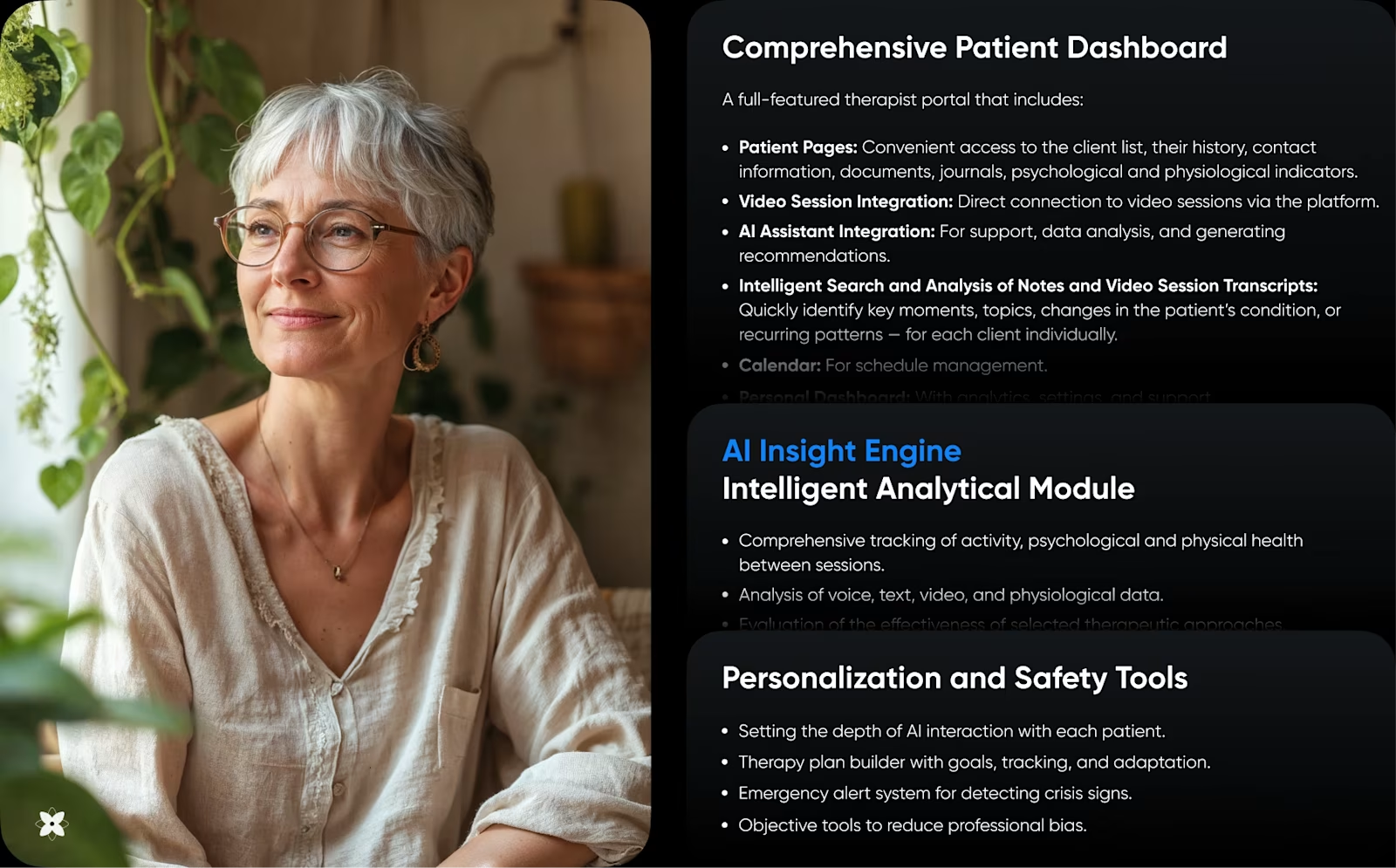
For therapists.
The platform creates a comfortable digital environment for therapists, combining professional tools, intelligent AI-driven insights, healthcare-grade analytics, and new opportunities to grow their practice and attract clients.
Impact.
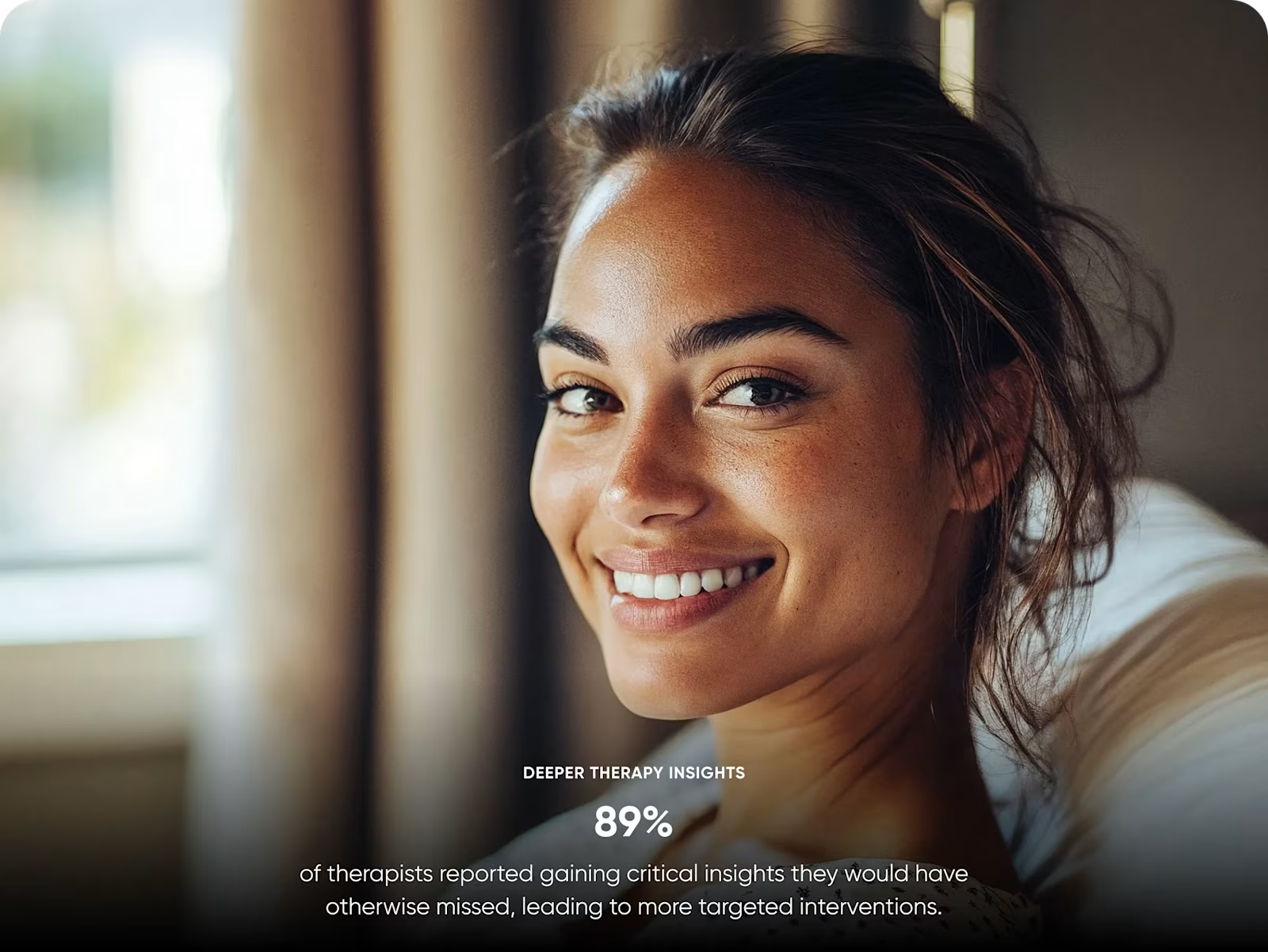
reduction in session time spent recapping the previous week's events, allowing more profound therapeutic work.
decrease in emergency interventions as potential crises were identified earlier through continuous monitoring.
of patients reported feeling "more supported" between sessions than with traditional therapy alone.
For patients like Michelle, a 28-year-old marketing specialist struggling with work-related anxiety

Before MND, I'd spend the week bottling up my stress, then use half my therapy session just catching my therapist up. Now, she already understands my patterns before I walk in. The app helps me process things at the moment, and my therapist can see exactly when my anxiety peaks and what triggers it. It's like having support 24/7.

Ready to build your AI-powered mental health solution?
With deep expertise in HIPAA-compliant architectures and clinical-grade AI, we'll help you bridge the gap between technology and human care.
Discovery.
At Reliqio, we believe in diving deep.
Our discovery phase began with extensive research into the therapeutic process. We embedded with therapists, observing sessions (with patient consent), conducting interviews, and mapping the entire patient journey from initial contact through ongoing care.
Proof of concept: the foundation of success.
At Reliqio, we've learned that the most thoughtful features mean nothing if the core technology doesn't work. That's why we always begin client collaborations with rigorous Proof of Concepts (PoCs) during the discovery phase—before any platform development begins.
For MND, this meant tackling the most critical technical challenge upfront: Could we actually create AI models capable of accurately analyzing human emotions and mental states? AI model that provides real-time support and crisis detection?
This wasn't a simple question to answer. Building reliable AI revealed immediate challenges:
Through intensive testing and iteration, we successfully created and trained a proprietary AI models that could reliably detect emotional patterns in these challenging real-world conditions.
Only after proving this core capability did we move forward with the full product strategy.
Curious how we achieved
89% deeper insights with AI?
89% deeper insights with AI?
From validation to vision.
With the AI proven viable, we proceeded with confidence through the complete discovery process: we developed comprehensive feature set, created low-fidelity wireframes, designed high-fidelity prototypes incorporating therapist feedback, prioritized features based on both clinical impact and technical feasibility, delivered a detailed 3-6 month Statement of Work roadmap.
The result? Five key opportunities that we knew we could deliver:

What impressed us about the discovery process was how deeply the Reliqio team immersed themselves in understanding therapy. They recognized that technology needed to enhance this connection, not disrupt it.
Development process.
Developing technology for mental health requires an approach centered on ethics, security, and clinical validity. Our process combined agile development methodology with continuous clinical oversight.
At the heart of this approach were four interconnected pillars:
This comprehensive approach was executed through a structured yet flexible engagement model:
Together, these elements created a development framework where innovation and responsibility moved in lockstep, supported by a dedicated team with the expertise to navigate the unique challenges of mental health technology.
Want to know more about
MND digital product?
MND digital product?
Design that understands.
We are proud to work alongside therapists and patients to deeply understand their needs at a human level.
A tiny glance through the crack at our most impactful features.
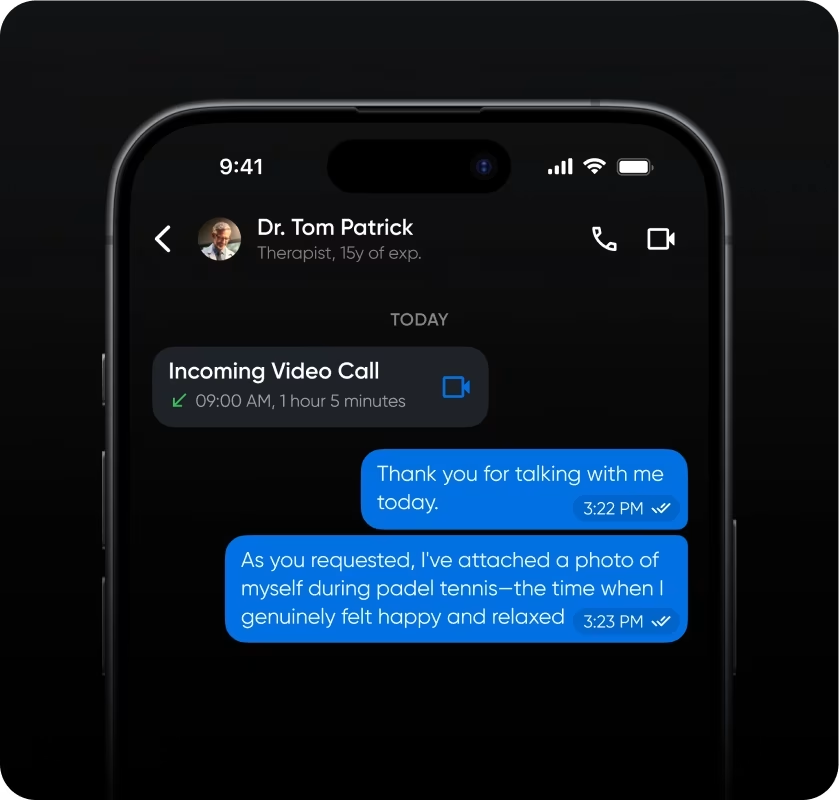
Between sessions, patients can share meaningful moments — like the times they feel genuinely happy — helping therapists capture valuable emotional context beyond scheduled meetings.
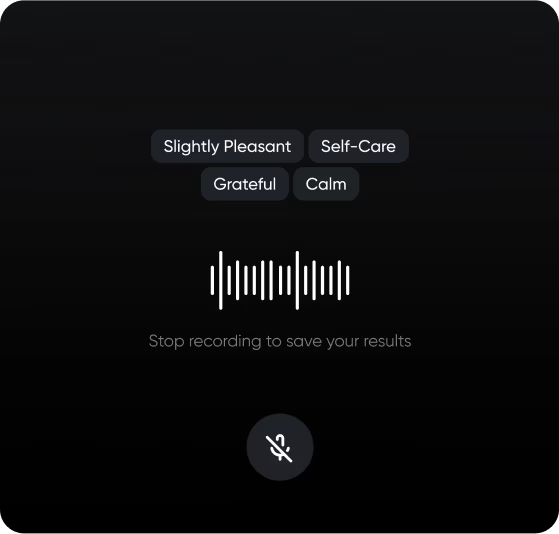
Human communication contains layers of meaning beyond words alone. How could therapists access deeper patterns in tone, speech patterns, and emotional states that patients might not consciously recognize?
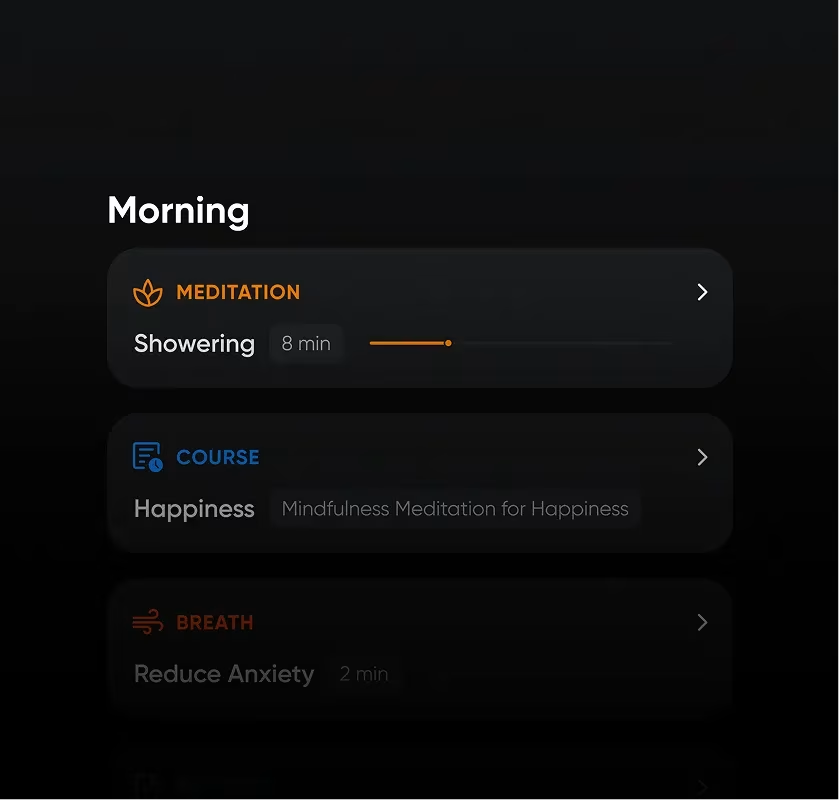
Traditional journaling and homework assignments see low adherence rates. How could the solution transform passive assignments into compelling emotional journeys?
Logo.
Technology.
At its core, MND leverages the following advanced technologies.
Natural language processing.
Analyzes text and voice for emotional content, sentiment, and cognitive patterns.

Secure cloud architecture.
HIPAA-compliant, end-to-end encrypted data storage and transmission.

Machine learning models.
Personalized to each patient, these models become more accurate over time, learning individual baseline behaviors and flagging significant deviations.

Edge
computing.
Some analysis happens directly on the patient's device, ensuring functionality even with limited connectivity while preserving privacy.

Emotion
recognition AI.
Identifies subtle changes in voice tone, speech rhythm, and word choice that may indicate shifting emotional states.

Behind every feature lies a foundation of reliable, scalable tools — each chosen to ensure security, performance, and a seamless user experience across all platforms.



Legacy.
MND is more than a technological advancement—it’s a reimagining of the therapeutic relationship for the digital age. In a world of constant struggle, it delivers support beyond boundaries by empowering, not replacing therapists, proving technology enhances empathy.
As the mental health crisis grows globally, MND offers a scalable model that expands limited therapeutic resources while maintaining the essential human elements that make therapy effective.
We're not just creating advanced technology—we are redefining empathy and understanding in the field of mental health. Because extraordinary care demands extraordinary tools.
Beyond the MVP.
With the core platform successfully launched, the client is expanding MND's capabilities to pioneer new frontiers in mental healthcare.
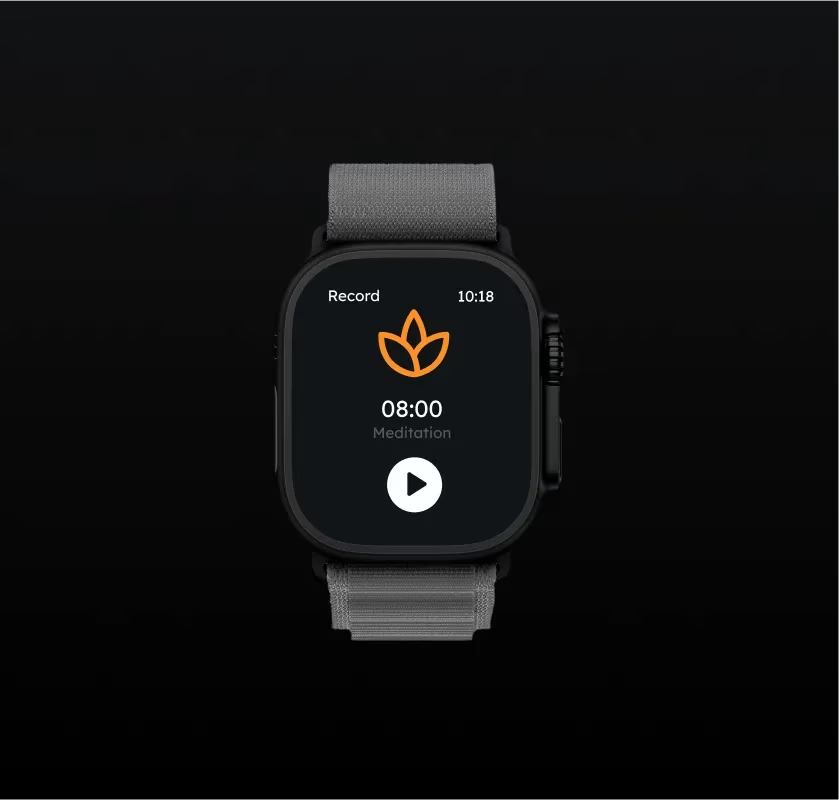
Deeper connections with more health devices to provide comprehensive physiological monitoring that transforms biological signals into therapeutic insights.
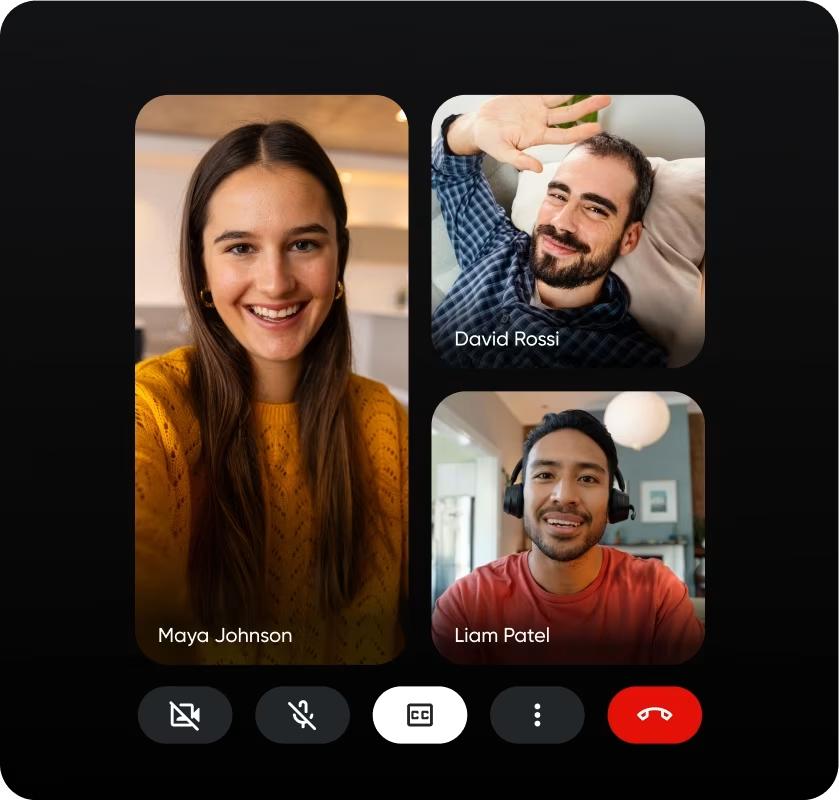
Specialized features for facilitating and enhancing group therapy sessions, creating spaces where collective healing amplifies individual growth.

AI-powered tools to help new therapists practice intervention techniques, compressing years of experience into accelerated learning journeys.
In a world where mental health services remain scarce and demand continues to rise, MND represents a new paradigm—one where technology doesn't replace human connection but rather deepens and extends it, ensuring that quality care becomes more accessible to all who need it.
Because the best therapy isn't just about what happens in the session—it's about continuous support throughout the healing journey.