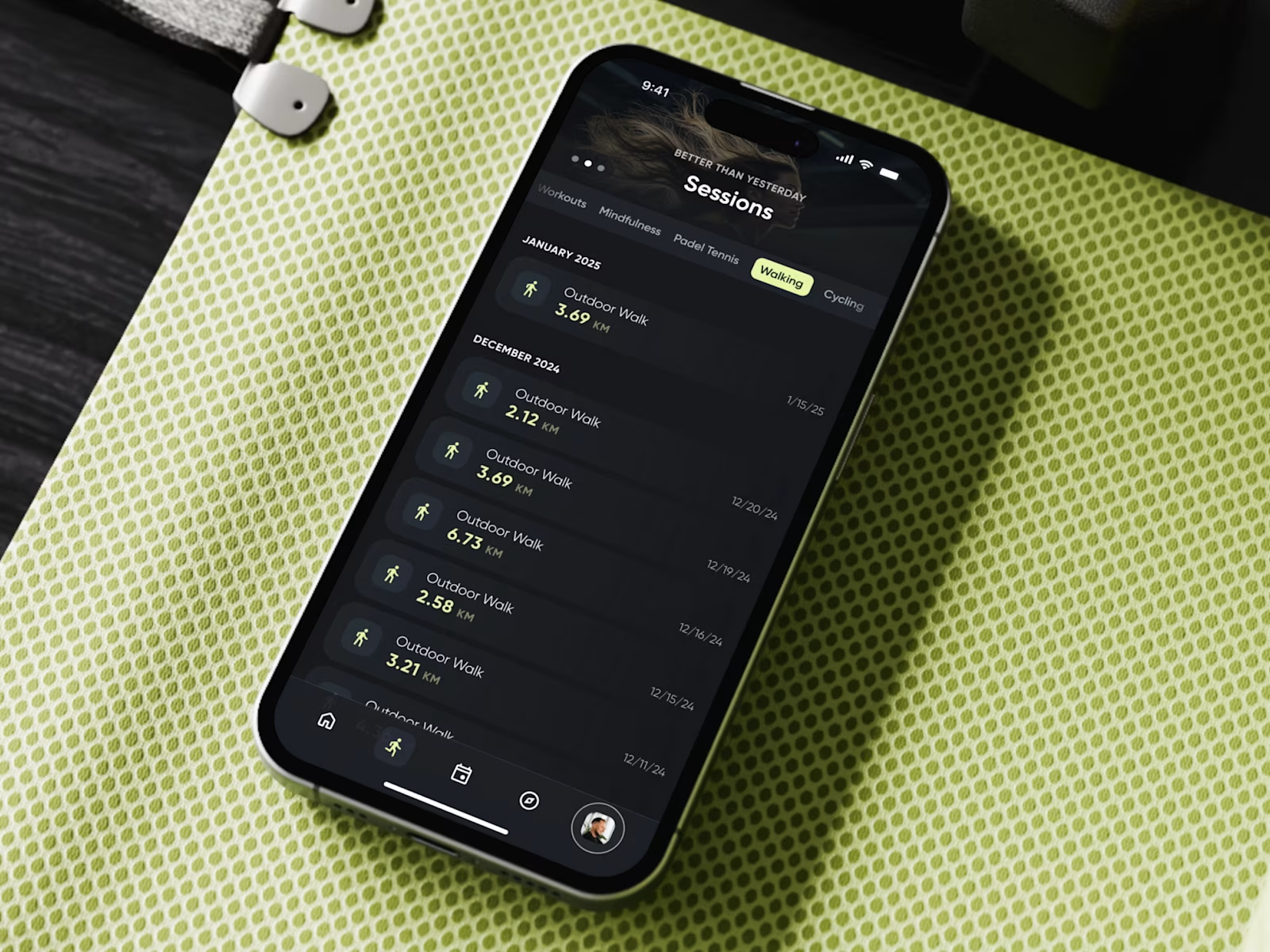
The Pulse session history listing outdoor walks with distance and duration, on a yoga mat.
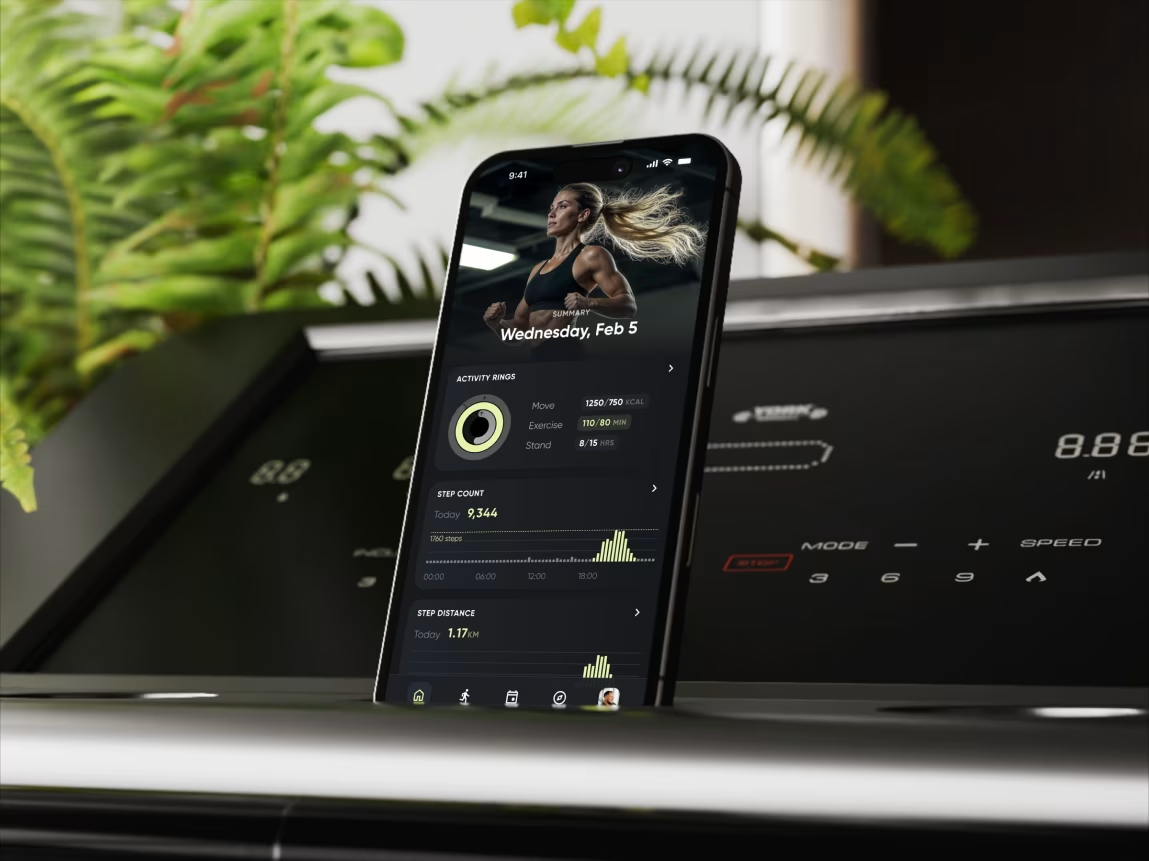
The Pulse activity dashboard with rings, step count and distance, propped on a treadmill.
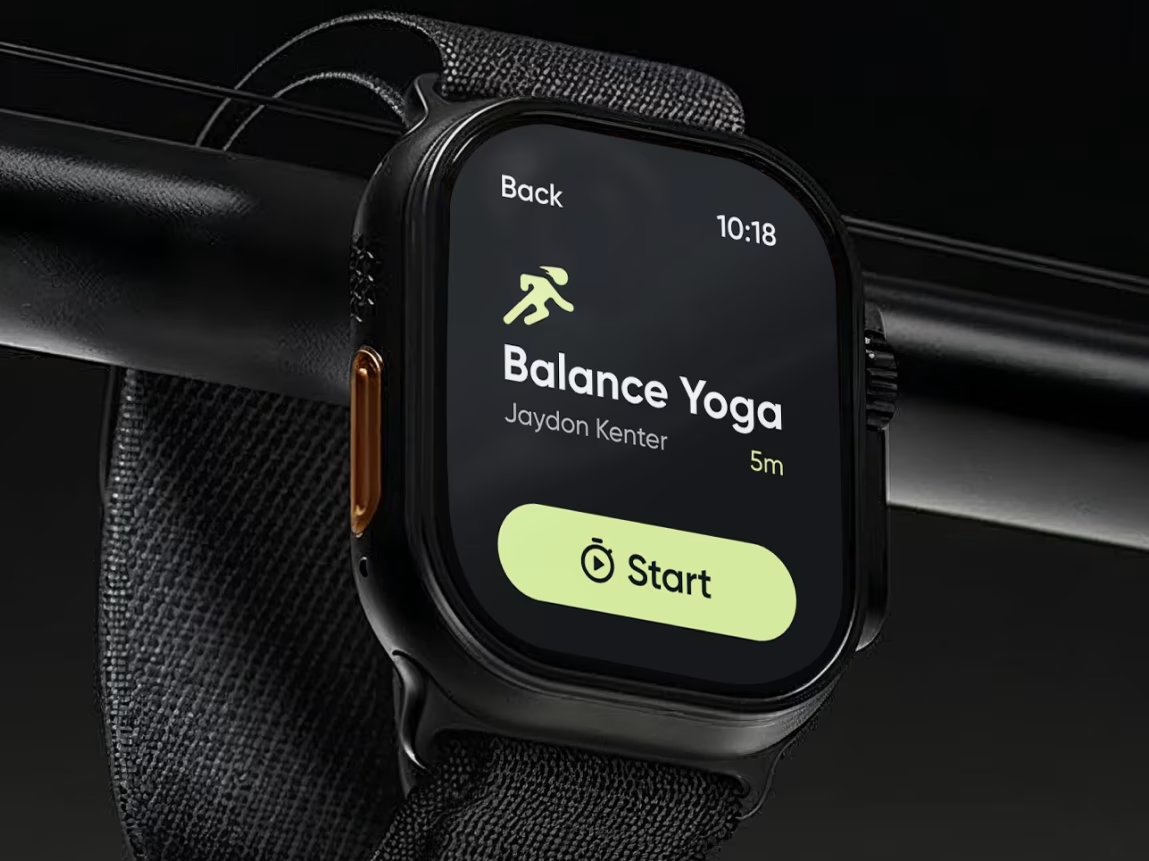
A Pulse Balance Yoga session ready to start on an Apple Watch.
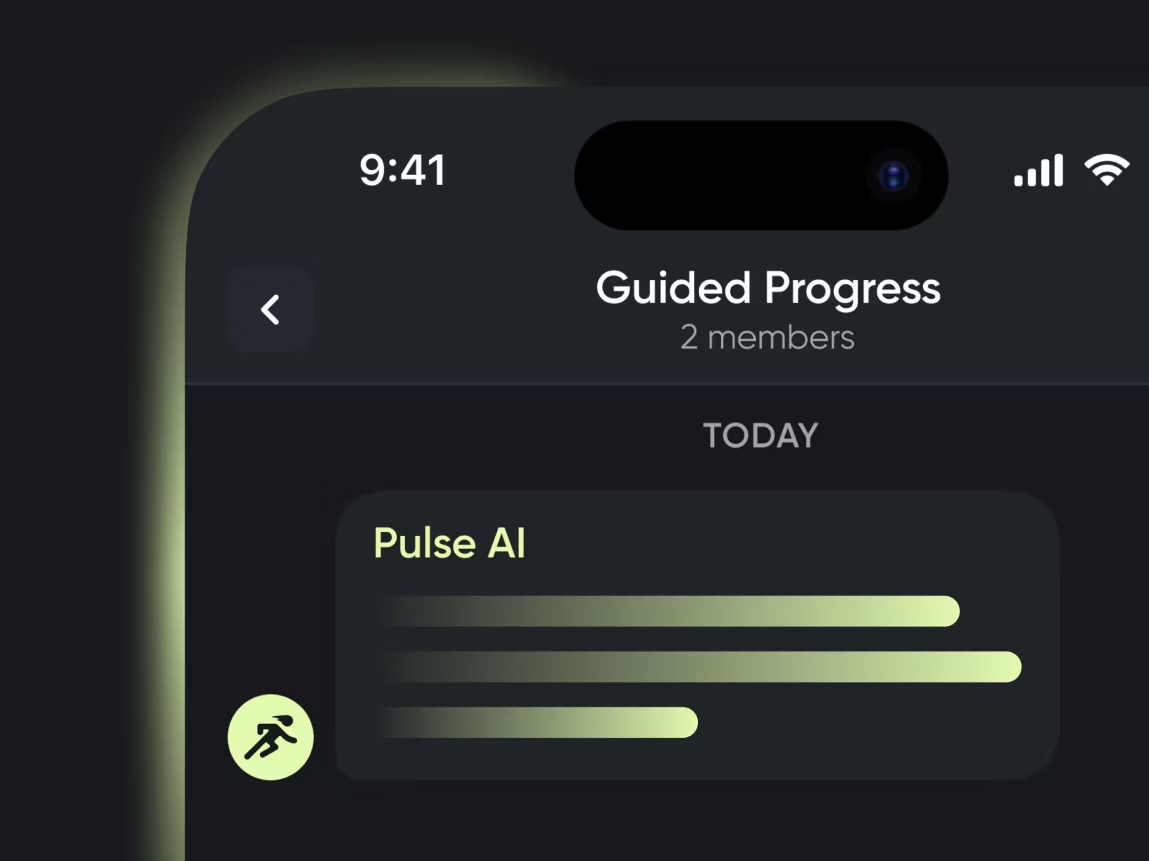
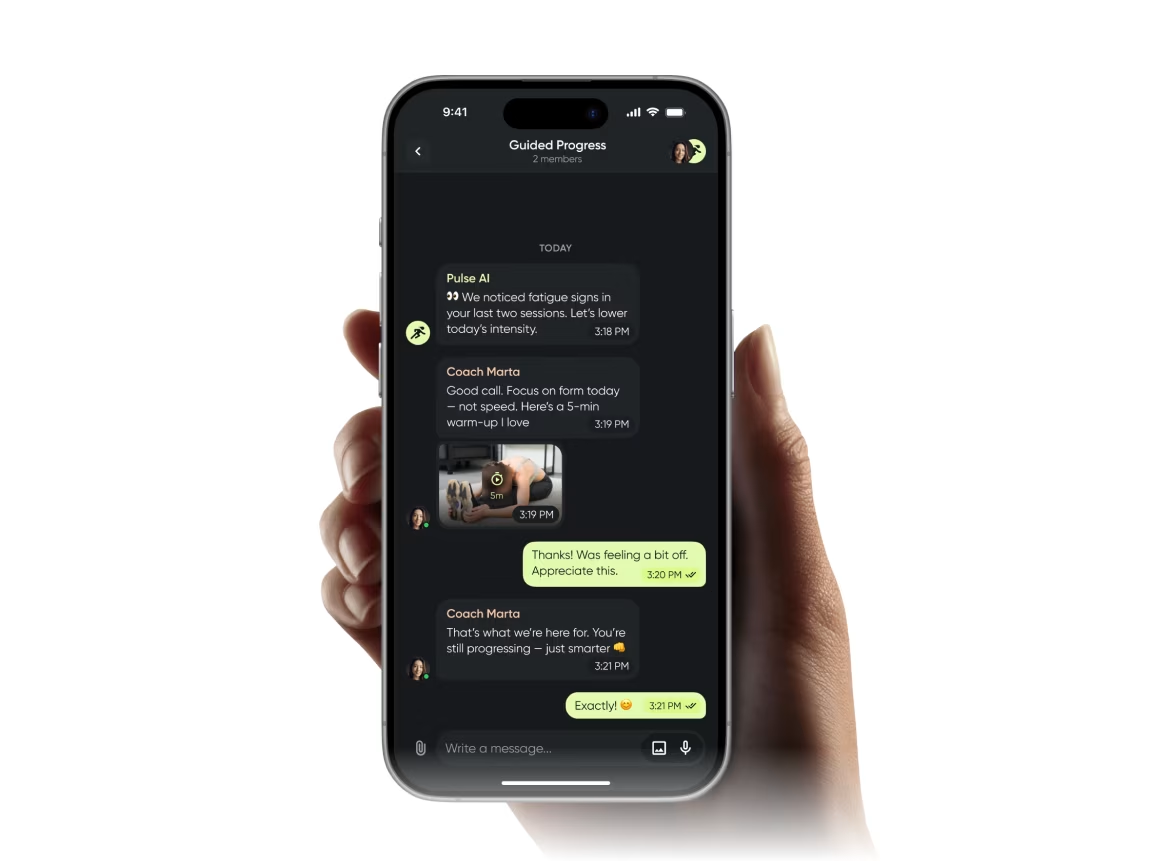
Guided Progress in Pulse, where the AI coach flags fatigue and adjusts the day's intensity.
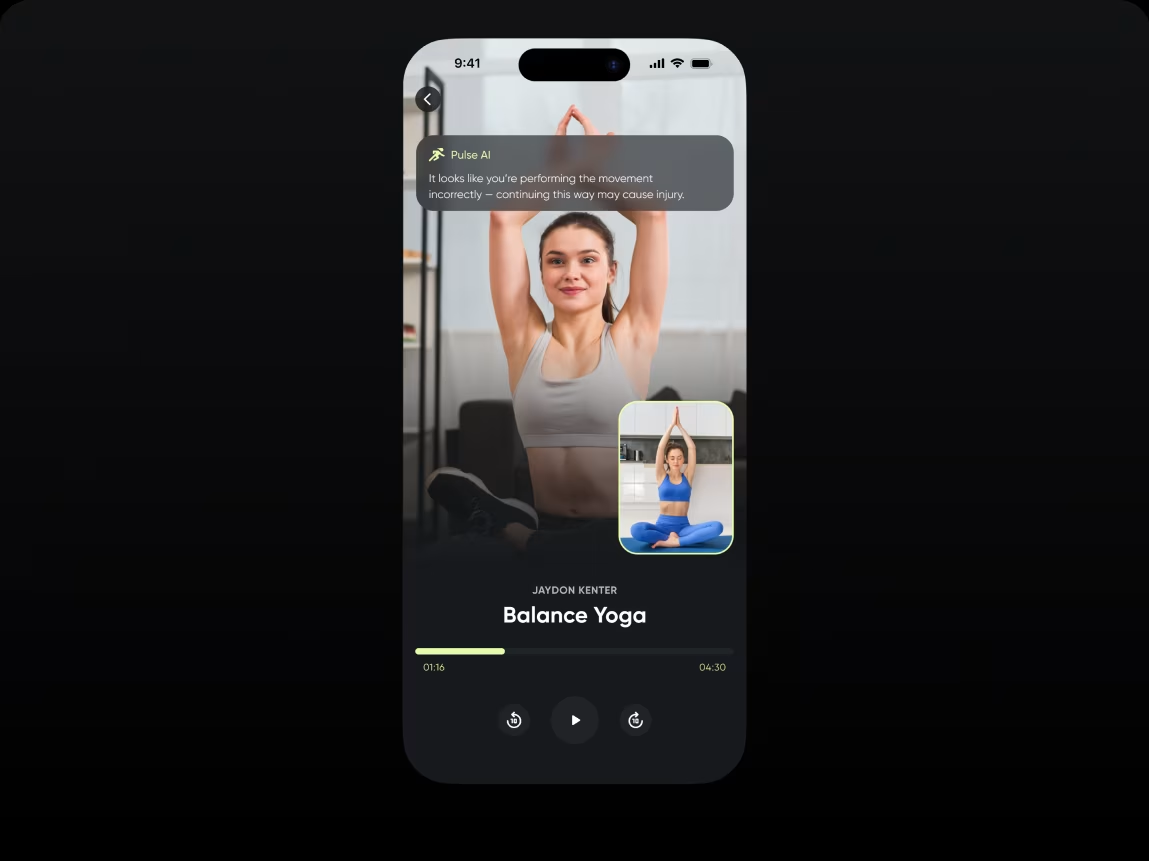
A Pulse Balance Yoga video session with the instructor in picture-in-picture.
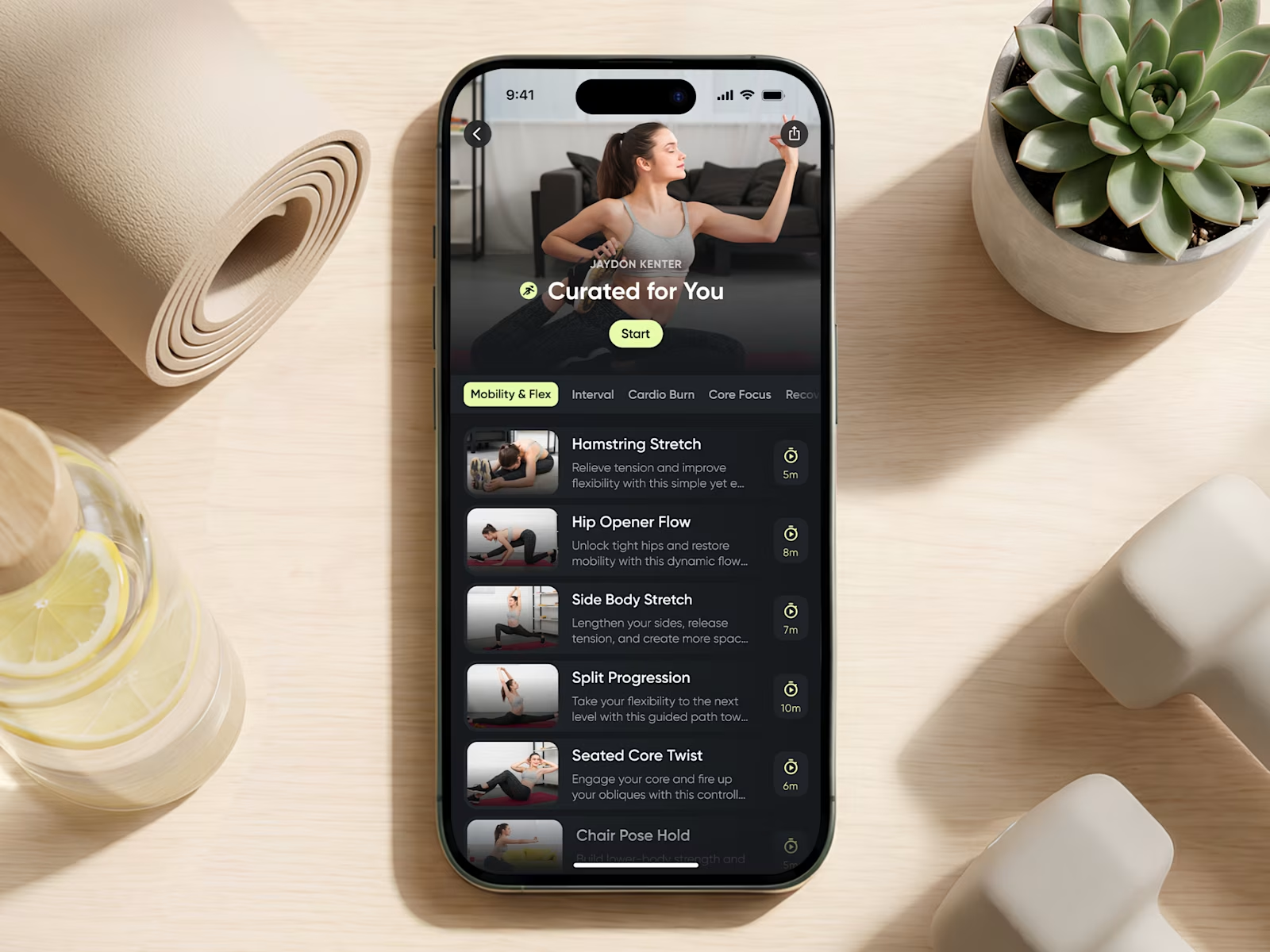
A Pulse workout plan curated for the user — mobility, cardio and core sessions.
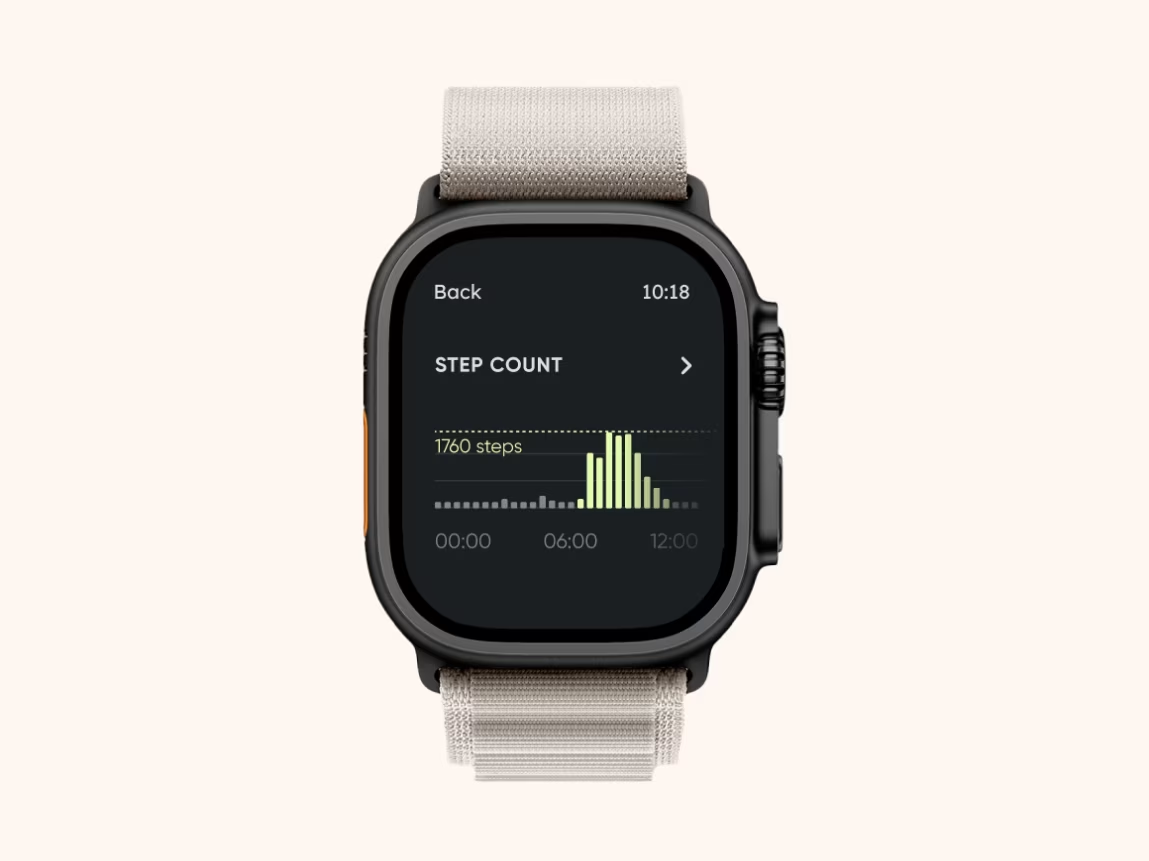
Pulse step count for the day shown hour by hour on an Apple Watch.
The Pulse coach chat, where AI suggestions and a human coach share one thread.
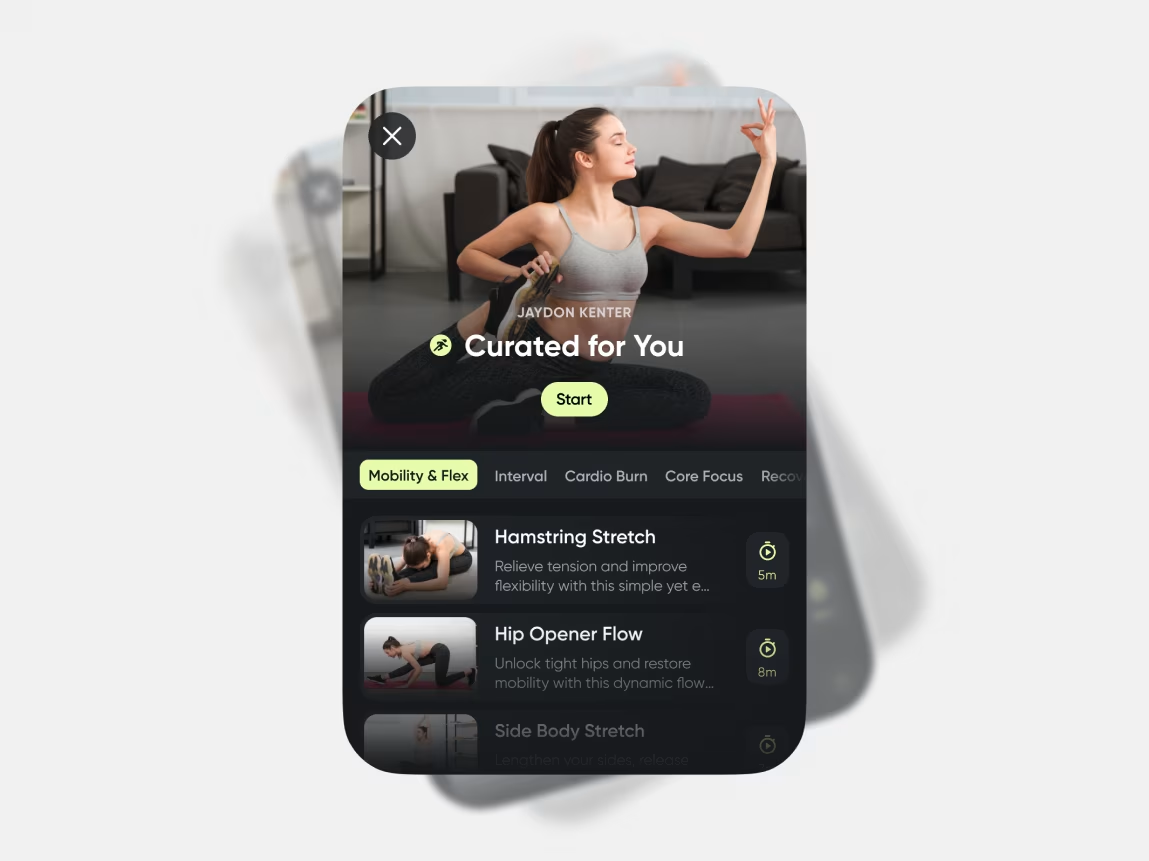
The Pulse curated workout card with per-exercise durations.
The Pulse app icon.
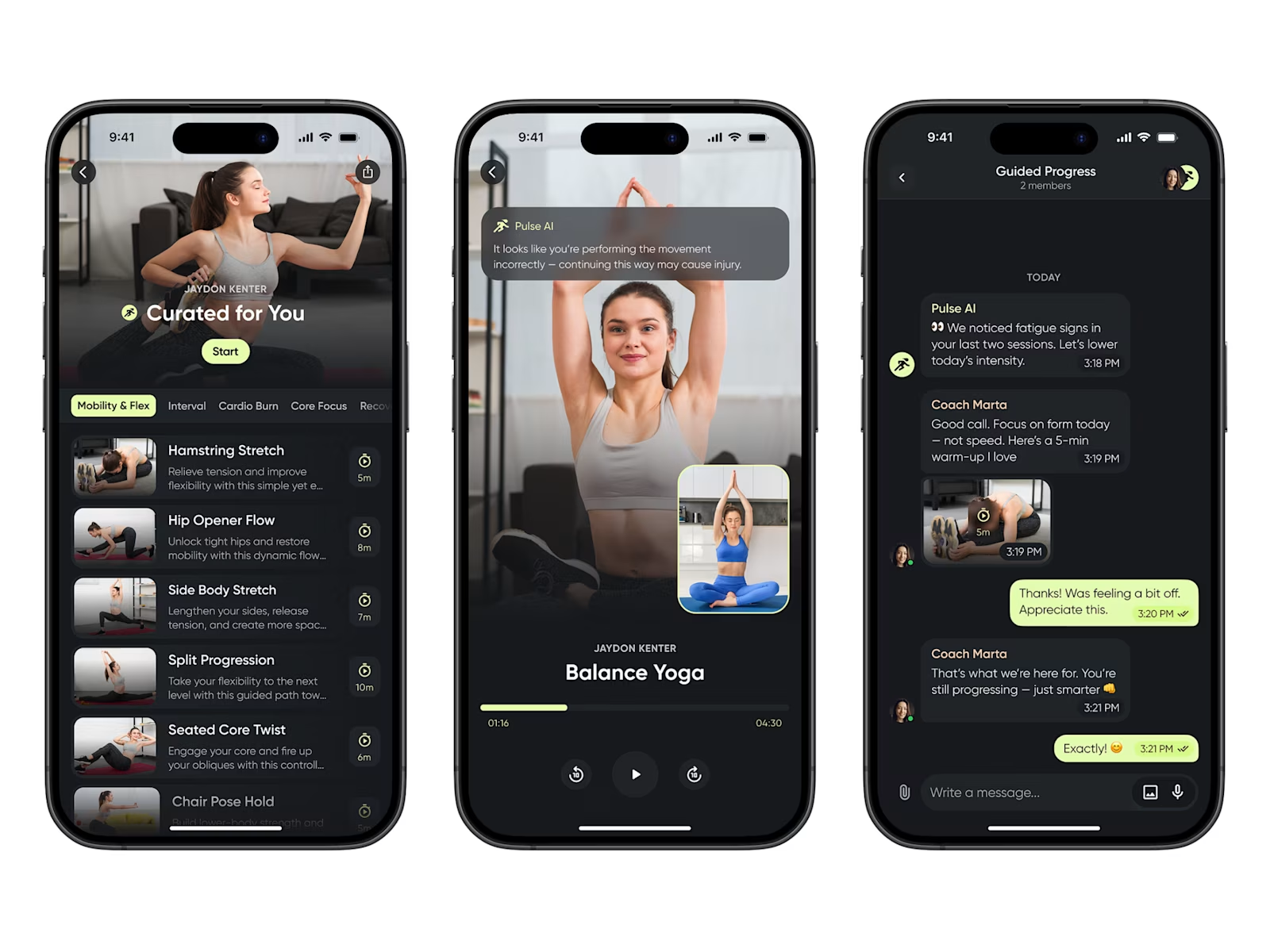
Pulse across three screens — the curated plan, a video session and the coach chat.
Pulse
B2C, Healthtech, Fitness Tech, AI

AI fitness coach: from missed fatigue and form breaks to +68% retention.

Pulse is an adaptive AI-powered fitness platform that personalizes workouts using biometric data, behavioral insights, and coaching logic. Unlike typical fitness trackers that report what happened, Pulse interprets body signals and adjusts guidance in real time — acting as an intelligent coach rather than a scoreboard. Built for a U.S. fitness technology company (under NDA) that had extensive user data but lacked a product team capable of turning those signals into a system users would actually stick with.

platformMobile (iOS & Android) - Flutter
verticalsB2C, Healthtech, Fitness Tech, AI
team & duration~6 FTEs, ~11 months

Challenge.

The fitness app market was crowded but impersonal. Generic, static training plans didn't adapt to individual bodies — ignoring fatigue, recovery, sleep, stress, and hormonal cycles. This caused low retention, motivation collapse, hidden injury risk, and weak user LTV.

Key research findings that shaped the product:

72% of participants described motivation as cyclical — enthusiasm followed by fatigue and disengagement.

49% of beginners noticed early discomfort before injuries but had no way to interpret those signals.

56% of users said rigid training plans rarely reflected reality — performance changed based on recovery, nutrition, and energy.

43% of coaches lacked visibility into athletes' condition outside the gym.

The core industry flaw: more data ≠ better results. Users needed intelligence, not information. The client had millions of sessions and biometric signals but lacked a product team to turn them into a system users stay with.

Solution.

Built Pulse — an adaptive AI fitness platform with four core pillars:

Adaptive AI engine that reshapes workouts daily based on progress, fatigue, and recovery, powered by OpenAI.

Holistic health integration connecting sleep, hydration, heart rate, and stress signals via Apple HealthKit and Google Health Connect (Apple Watch, Garmin)

Hybrid coaching system pairing machine intelligence with human coaches through real-time chat.

Injury prevention system detecting biomechanical deviations before they become injuries.

Development was evidence-driven: thousands of simulated workouts across running, strength, recovery, and group dynamics trained the algorithms before real-user testing. The team treated development like athletic training — each iteration made the system sharper and more responsive.

Impact.

Retention
+68%
Training plateaus
−74%
Minor injuries
−63%

LTV: Explicitly improved — stronger engagement and higher user lifetime value driven by retention gains and adaptive personalization. RevenueCat integration enabled subscription optimization.

Retention: +68% — the headline metric. The key insight was that fitness progress is cyclical, not linear. Guiding users through dips (rather than ignoring them) was the primary retention driver.

Conversion: Not directly quantified, but increased workout frequency and the “felt like it knew me” user reaction indicate strong activation-to-habit conversion. Amplitude analytics enabled conversion funnel optimization.

CAC: Not directly measured in scope. However, +68% retention mechanically improves CAC payback period. OneLink attribution tracking supports acquisition channel optimization.

UX: Users consistently reported the app “felt like it knew them.” The hybrid coaching model plus distraction-free dark UI created emotional connection beyond typical tracker experiences. The interface was intentionally designed to fade into the background so attention stays on the workout, not the app.

Features.

Adaptive AI workout engine (daily plan adjustment based on individual body response)

Sleep monitoring and recovery assessment.

Heart rate tracking via wearables (Apple Watch, Garmin, Google Fit, Oura)

Hydration tracking.

Biomechanical injury prevention (form breakdown detection, movement correction suggestions)

Hybrid human-AI coaching with real-time coach chat.

Multi-activity support: running, strength training, yoga, cycling, group workouts.

Group dynamics tracking (individual adaptation within group sessions)

Progress tracking and visualization.

Personalized pacing adjustments (mid-session fatigue detection)

Recovery day recommendations.

Subscription management and in-app purchases.

Push notification engagement system (workout reminders, coaching nudges)

Deep linking and attribution for onboarding flows.

AI.

All AI capabilities are powered by OpenAI models. Implementation includes:

1
Adaptive training engine — personalized workout adjustment based on biometric and behavioral signals.
2
Real-time fatigue detection from heart rate, breathing rhythm, and stride pattern data.
3
Injury prediction through biomechanical pattern analysis (form breakdowns, subtle movement deviations)
4
Recovery intelligence — recommending intensity vs. rest based on sleep, hydration, and balance signals.
5
Group individualization — tracking individual performance signals within group sessions to deliver personalized guidance at scale.
6
Hybrid AI-coach system — AI detects patterns and surfaces insights, human coaches provide judgment, motivation, and context.

Technologies and integrations.

Flutter
Amplitude
RevenueCat
Web2Wave
Node
OpenAI
Nest
Railway
PostgreSQL
Redis
Firebase
Contentful
Sentry
Apple Health
Google Health Connect
AppsFlyer OneLink
Figma