All posts
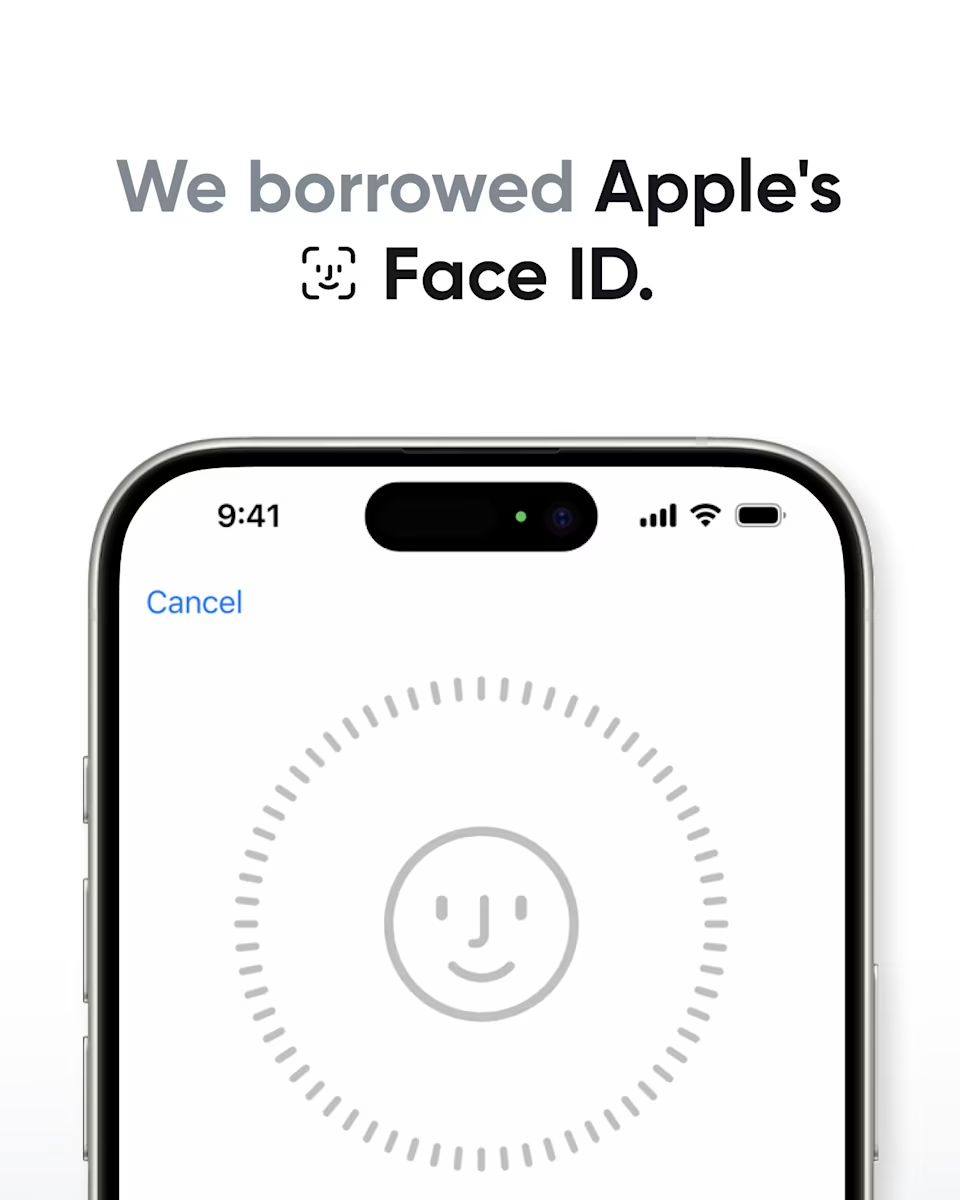
Title slide: “We borrowed Apple’s Face ID,” with an iPhone showing a Face ID style circular scan.
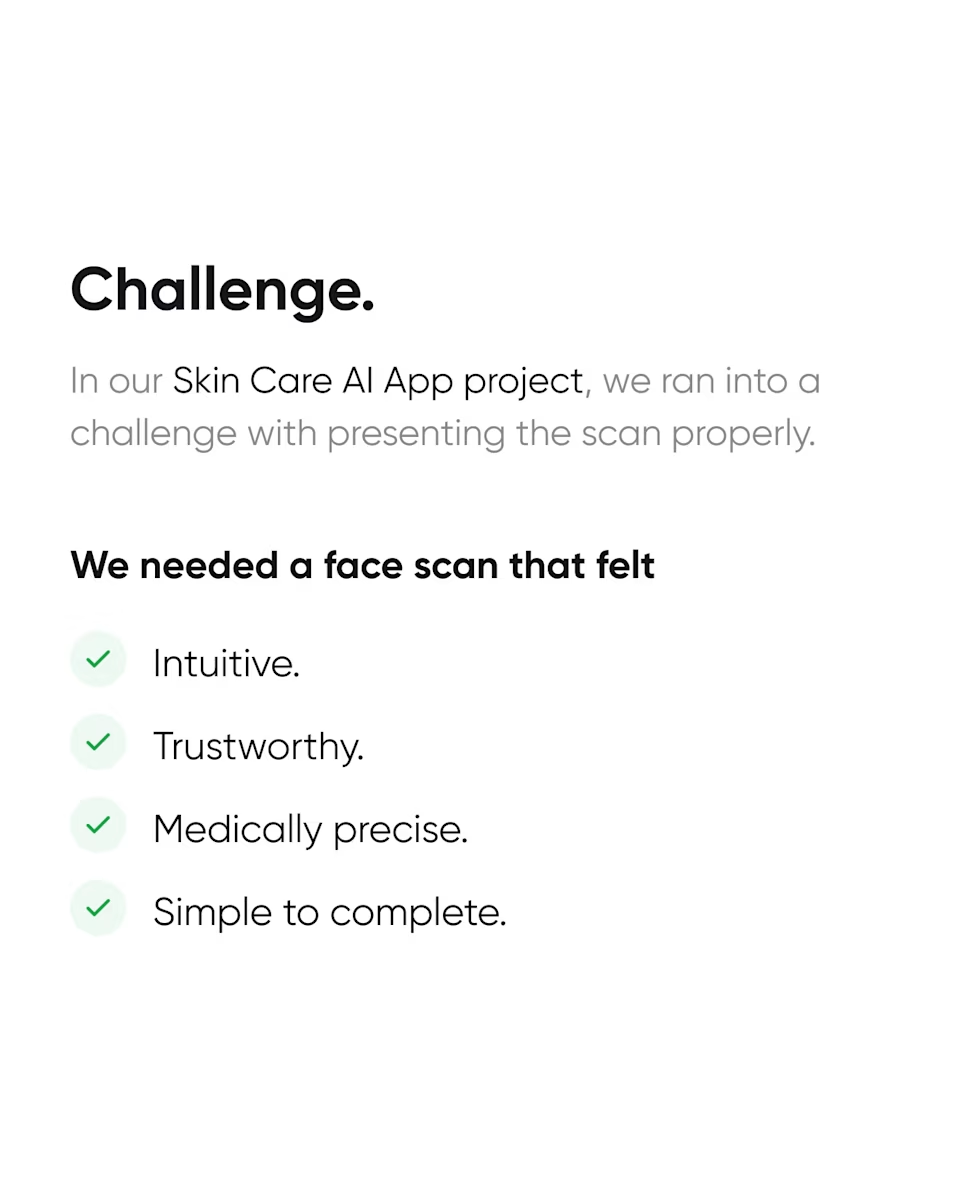
Challenge: in a skin care AI app, the face scan had to feel intuitive, trustworthy, medically precise, and simple to complete.
Our first idea: a full-screen scanning experience. It gave users a larger scanning area, but testing showed several problems.
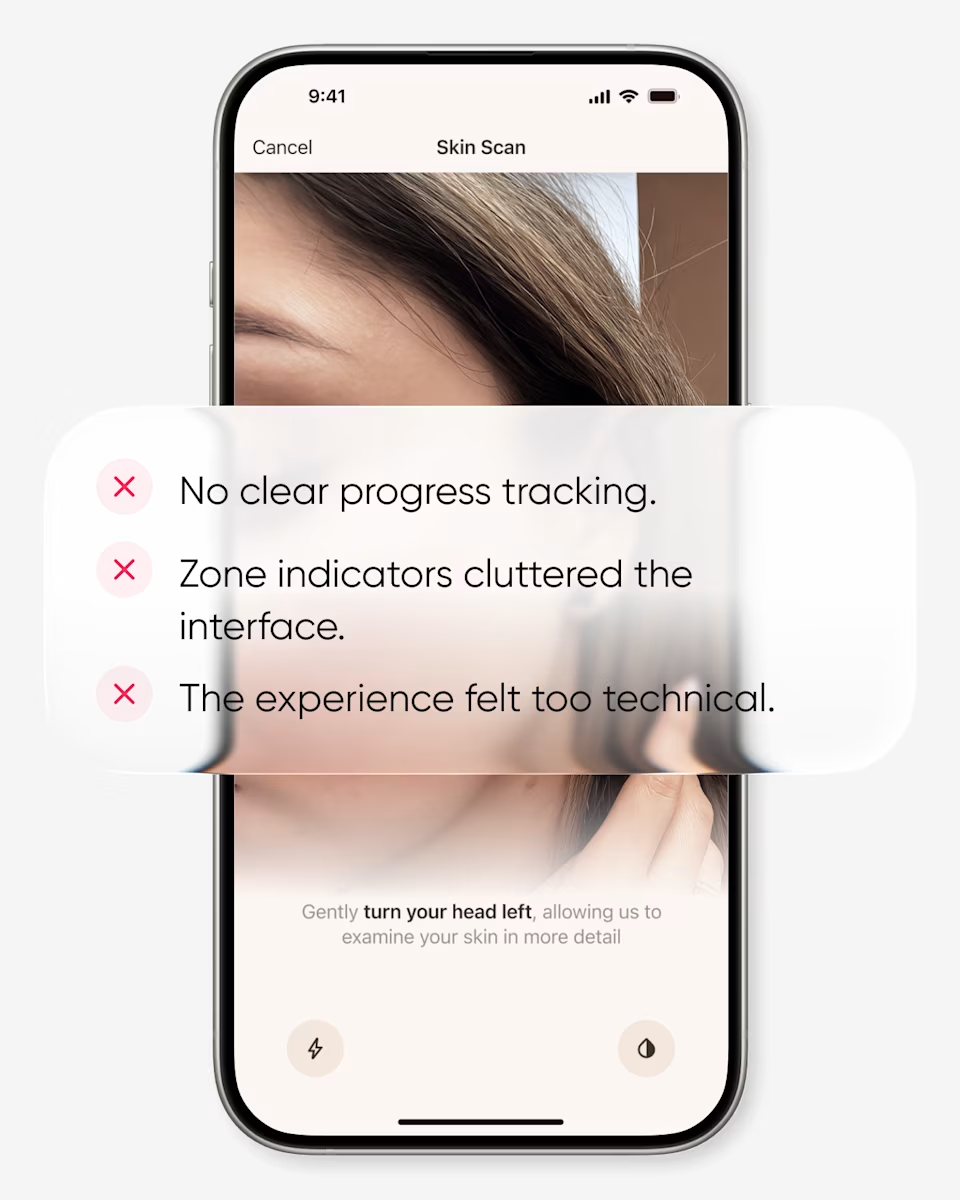
The full-screen skin scan on an iPhone, with its problems: no clear progress tracking, zone indicators cluttering the interface, and an experience that felt too technical.
So we looked at Apple: Face ID focuses attention and guides users naturally.
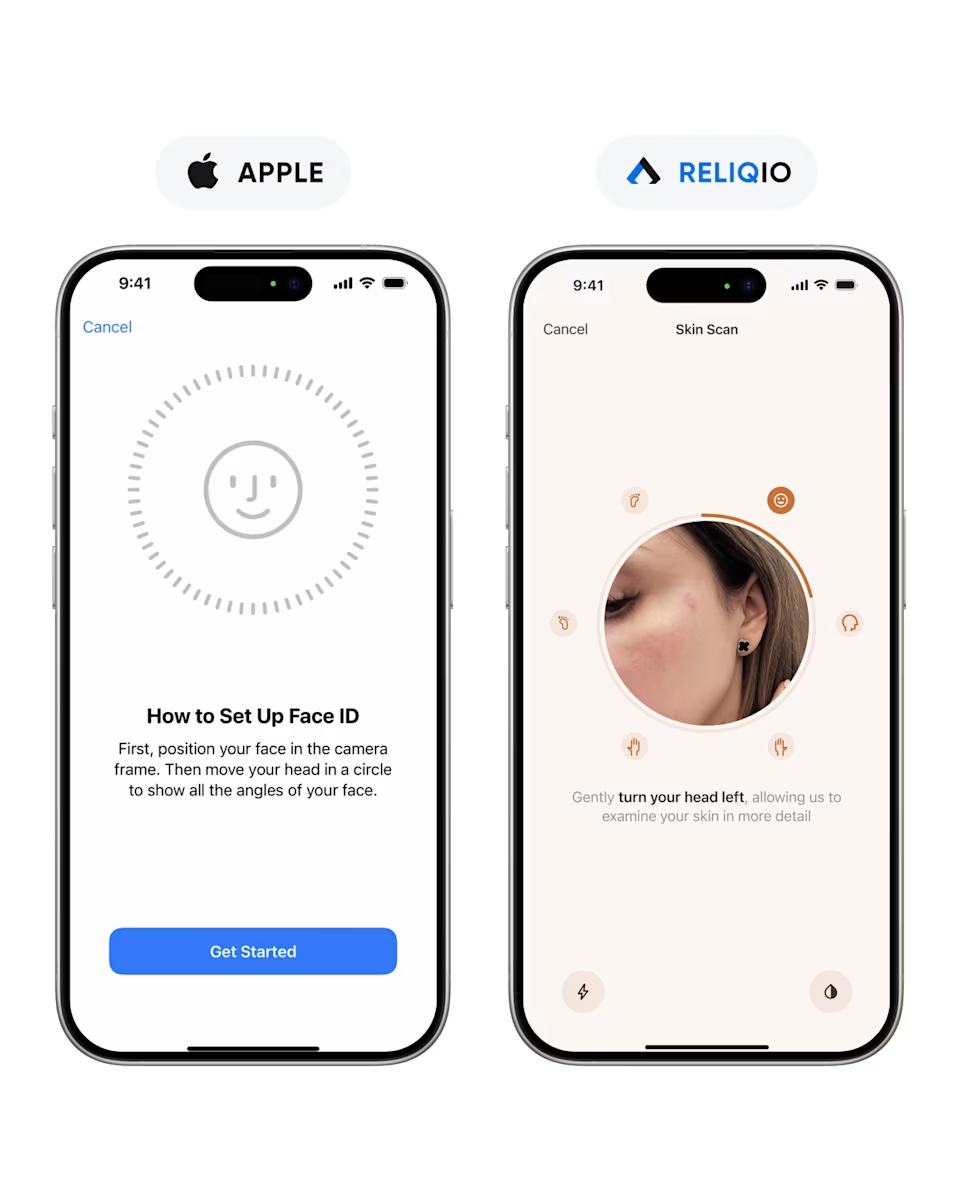
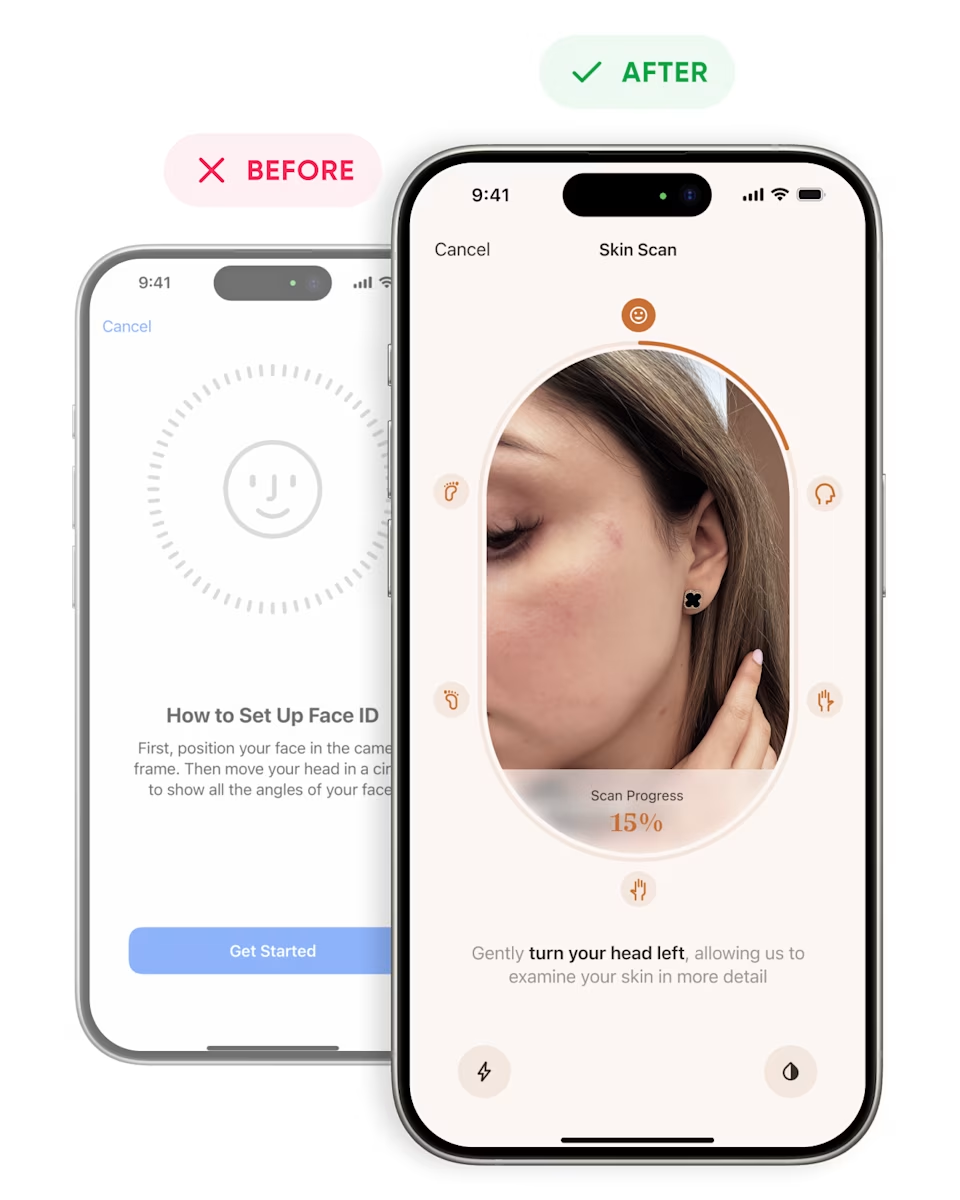
Apple’s Face ID setup screen beside Reliqio’s circular skin scan on two iPhones.
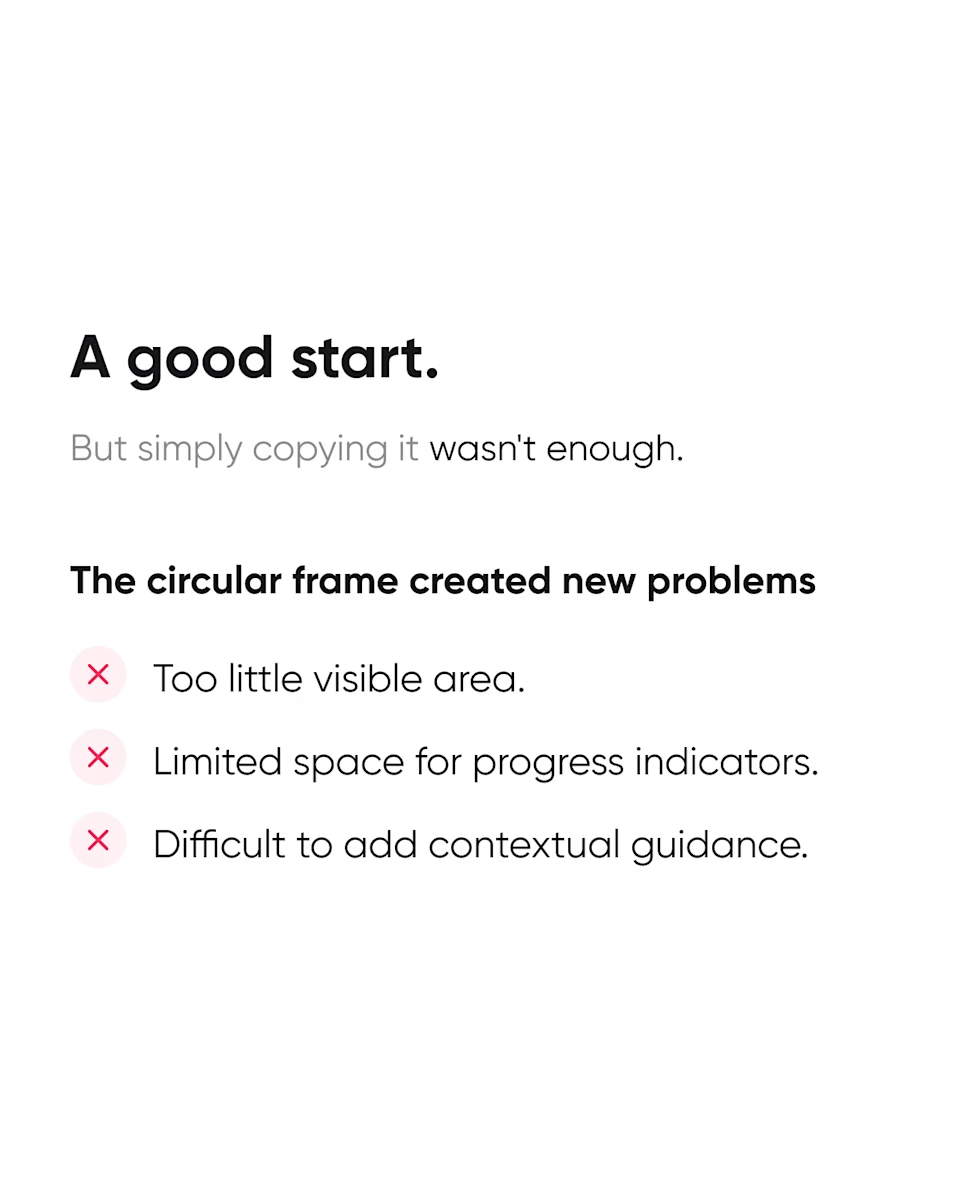
A good start, but copying wasn’t enough: the circular frame left too little visible area, limited space for progress indicators, and no room for guidance.
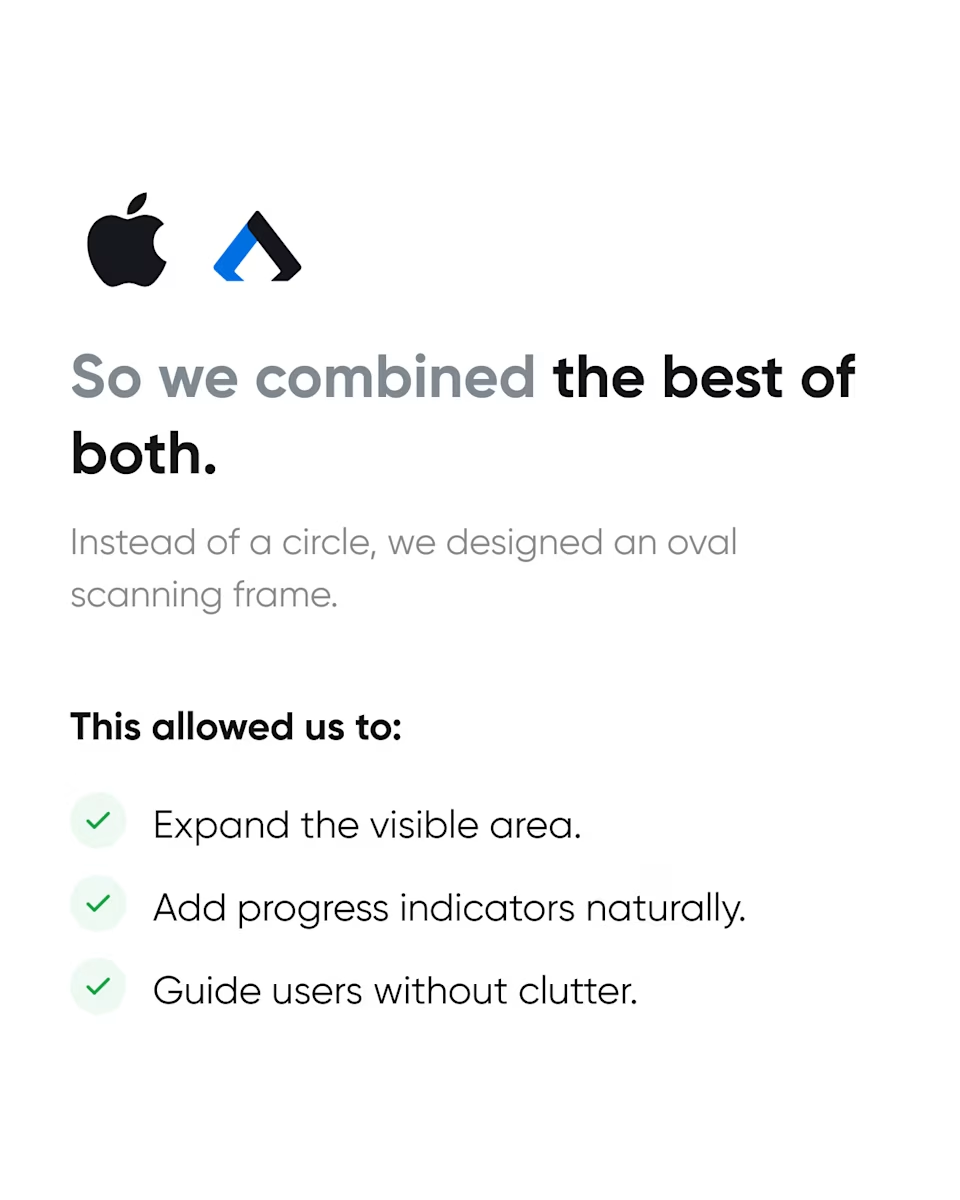
So we combined the best of both: an oval scanning frame that expands the visible area, adds progress indicators, and guides users without clutter.
Before and after: the Face ID style circle next to the final oval skin scan, with scan progress at 15%.
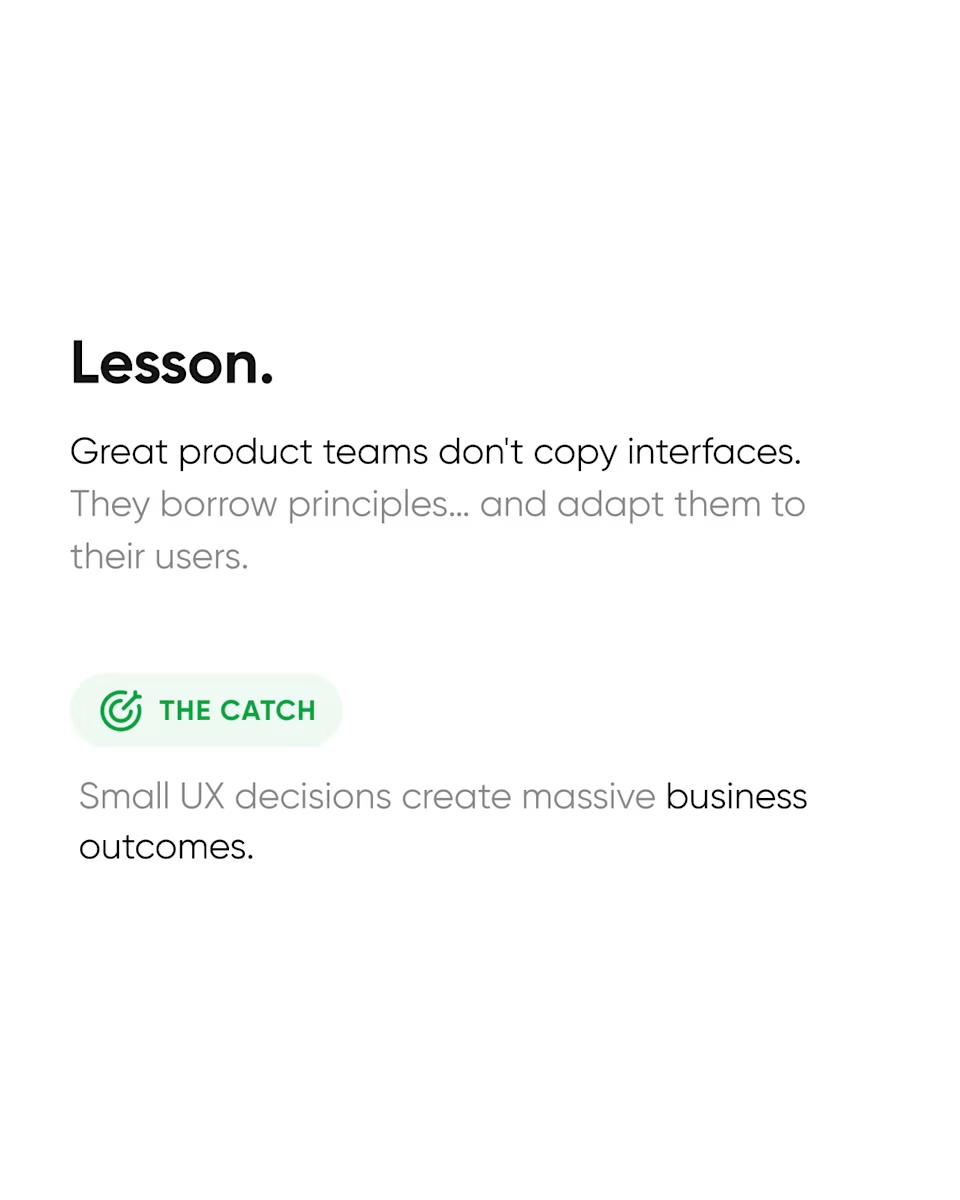
Lesson: great product teams don’t copy interfaces, they borrow principles and adapt them to their users. Small UX decisions create big business outcomes.
Closing slide: Building an AI or digital health product? Let’s review your idea together. Comment “Discovery” to book a free discovery call.

What Face ID taught us about AI product design.

Slide 1 of 11
Reliqio

What Face ID taught us about AI product design.

An AI skin analysis app needed a face scan that felt intuitive, trustworthy, and medically precise.

Our first idea was a full-screen scan. More room, less clarity:

  • users couldn't see their progress,

  • zone markers cluttered the screen,

  • and the whole thing felt too technical.

So we studied Apple's Face ID. It does two things beautifully: it focuses attention and guides users naturally.

Copying the circle wasn't enough. It left too little of the face visible and no room for progress or guidance. So we kept the principle and changed the shape: an oval frame that shows more skin, carries progress indicators, and guides without clutter.

Great product teams don't copy interfaces. They borrow principles and adapt them to their users. In onboarding, those small decisions decide whether the first scan earns trust, and trust is where retention starts.

See the AI skin analysis case study.

Building an AI or digital health product? Let's review your idea together.

#AIProductDesign #AppOnboarding #DigitalHealth