Can AI understand human emotions?
The AI techniques enabling a deeper understanding of psychological states in digital mental health tools: how AI analyzes data from wearables, text, audio, and video, separately and through a multimodal approach, to assess emotional well-being more accurately.

Abstract: This article explores the AI techniques enabling a deeper understanding of psychological states in digital mental health tools. We examine how AI analyzes data from wearables, text, audio, and video — both separately and through a multimodal approach — to capture nuances and aim for more accurate assessments of emotional well-being. We also “uncover” how to turn your device into a portable lie detector.
The key reason we became interested in the idea of detecting emotional states through AI is that this challenge formed the foundation of one of our products (more here).
To recap:
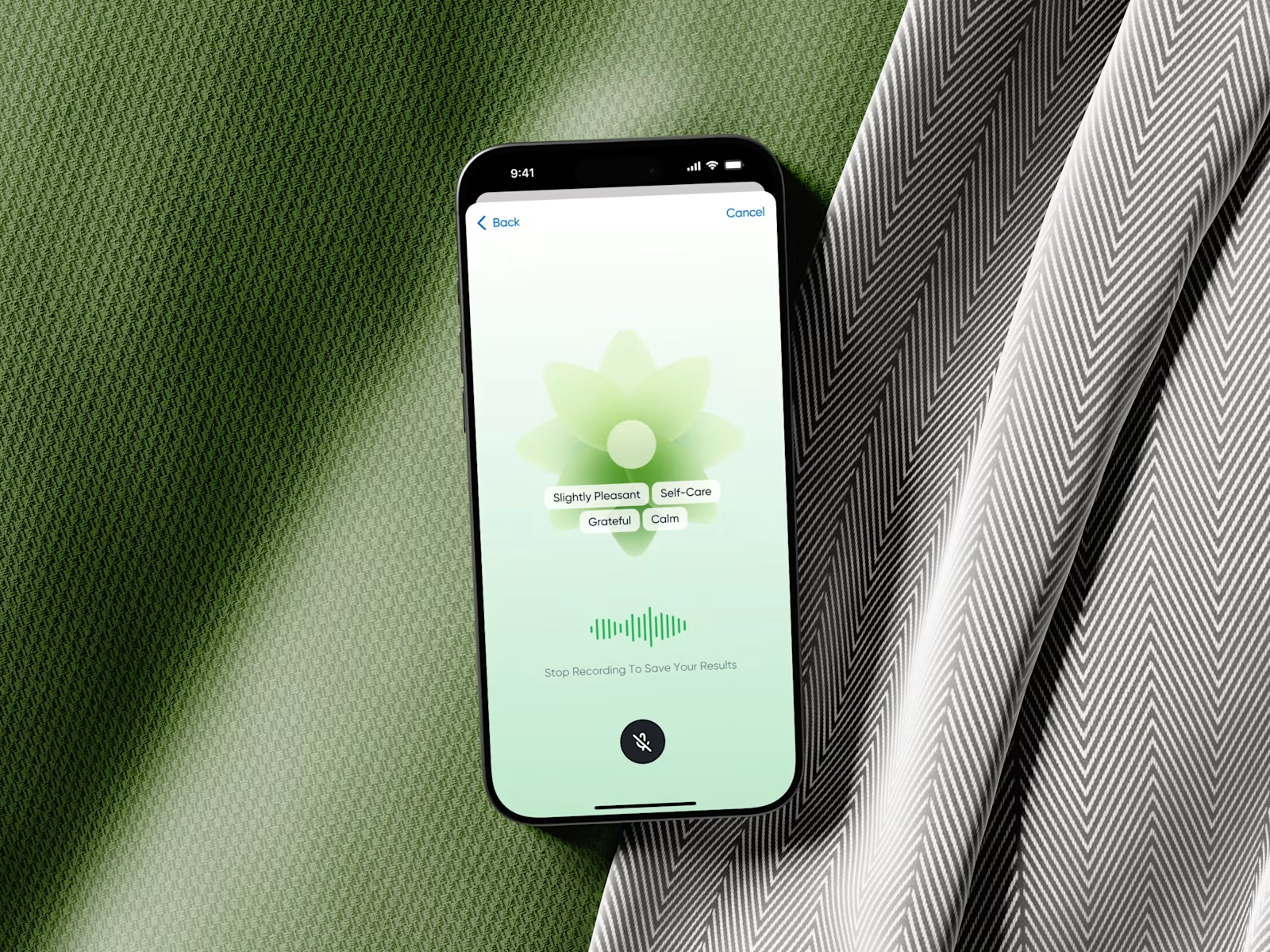
The product envisions an AI assistant acting as an always-available tool for daily self-monitoring, capable of potentially identifying subtle shifts in emotional states and serving as a continuous monitoring tool, bridging the gap between infrequent therapy sessions.
In this article, we delve deeper into the specific mechanisms. We’ll explore the AI techniques used to analyze and interpret a user’s psychological state, starting with the numeric data from surveys, devices like EEGs and wearables, and moving towards the written word and more comprehensive data sources like voice and video.
Our goal is to shed light on the technology powering the next generation of mental health tools, examining both its capabilities and its inherent challenges.
What do numbers say?
When it comes to understanding psychological states through data, two major types of numerical datasets are typically used: physiological measurements and self-reported surveys.
Physiological measurements.
We all know the classic yet exciting example of identifying human emotions — the lie detector or polygraph. A multitude of devices are connected to you (or another test subject): a pneumograph, cardiograph, GSR (electrodermal activity sensor), etc. All these devices generate a flood of data and numbers, while a specially trained expert sits nearby, interpreting the slightest changes in the readings.
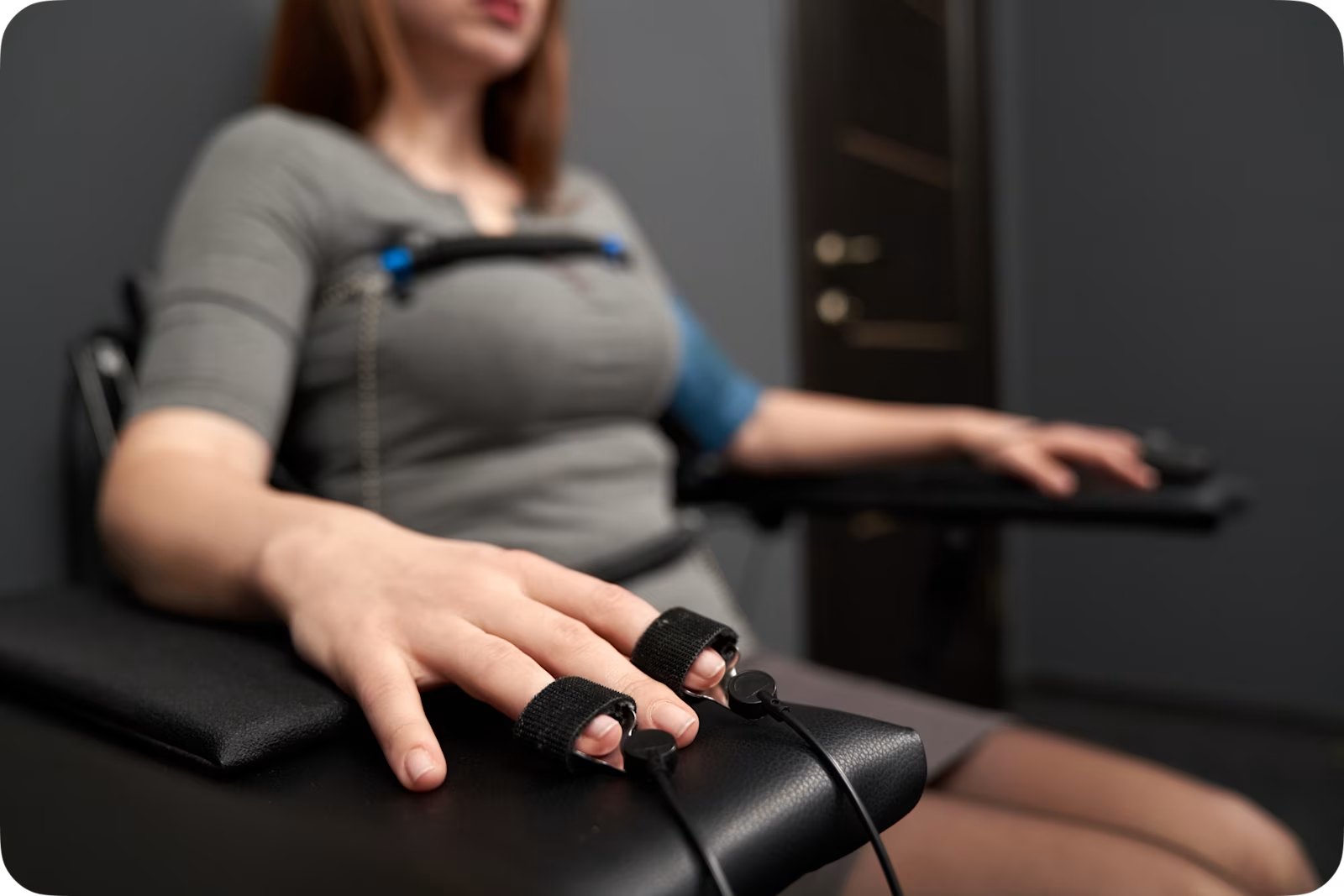
And it works like a charm (not for the subject, though). The real challenge here is that this solution isn’t scalable, ethical, or feasible for most clinics and psychologists. Instead, we want to create an automated system that is accessible to a large number of people. In other words, to automate emotion detection and transform a wearable device into our personal lie detector, though with a slightly different purpose: identifying mental well-being.
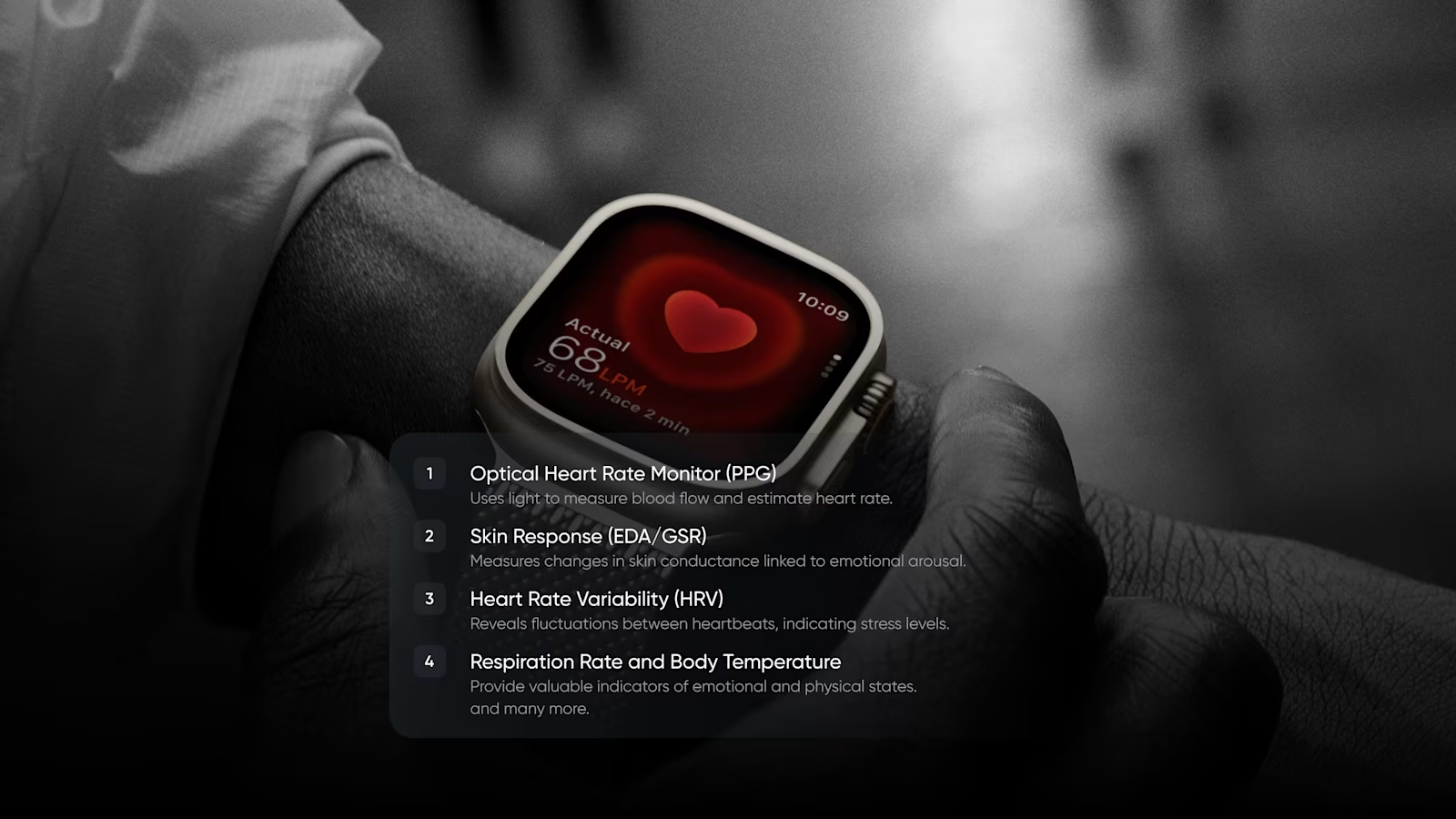
To understand which emotions we can detect, let’s first explore what sensors and data are already available from wearable devices today.
Questionnaire responses.
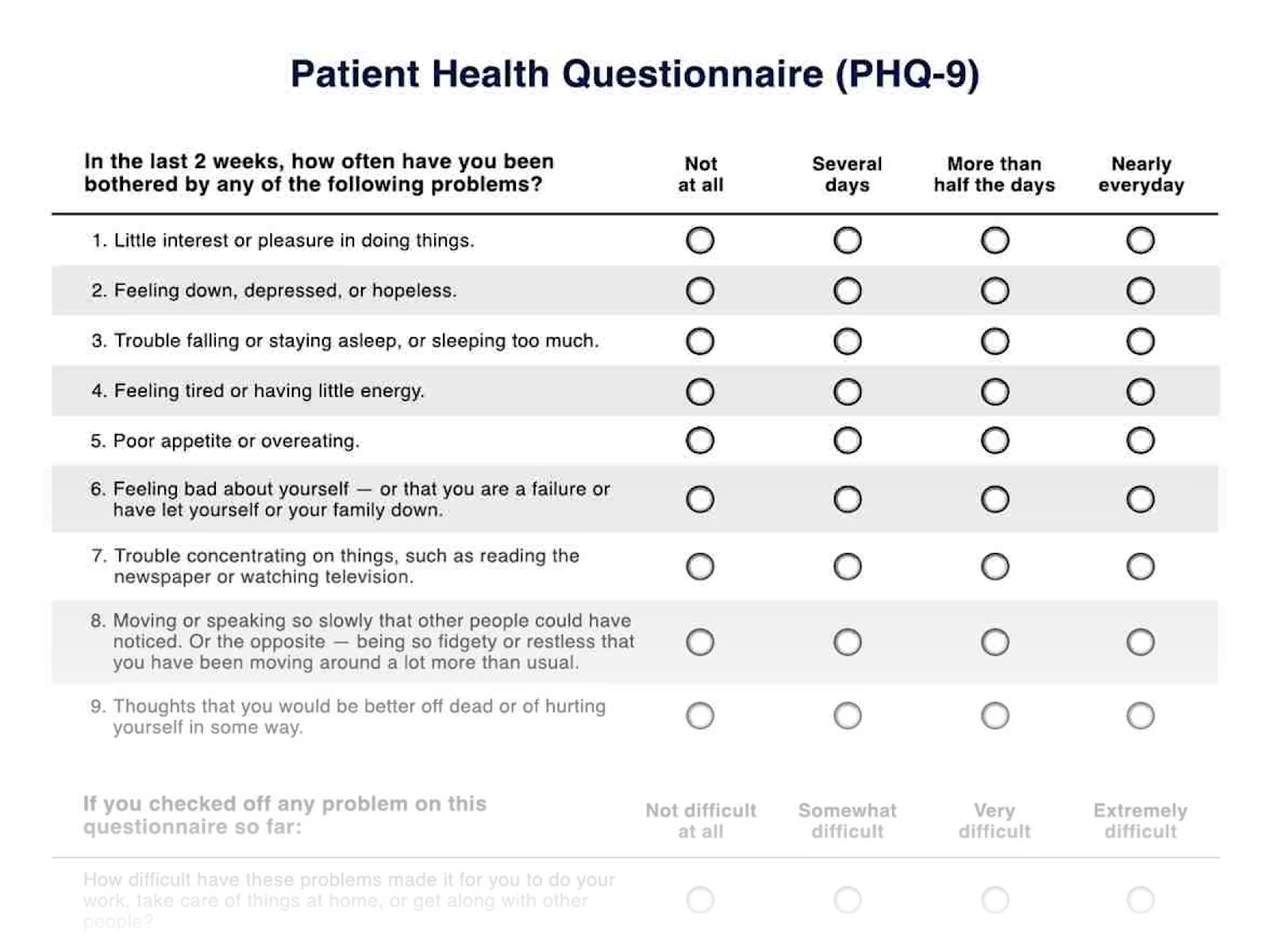
On the other hand, questionnaire responses give a broader, self-reflective view of an individual’s mental health. Standardized psychological scales like the PHQ-9 for depression and GAD-7 for anxiety, as well as surveys on mental health and well-being, generate numerical data that can be later analyzed using AI and machine learning.
Unfortunately, they come with their own set of challenges:
- Completing them can take anywhere from 15 to 45 minutes.
- Surveys capture a fleeting moment. But mental health is fluid — feelings evolve daily, sometimes hourly.
- People often underreport or overreport symptoms due to stigma, fear, or lack of insight. Some don’t even understand what they’re feeling.
- Every mind is different. Yet, these tools ask the same questions in the same way, every time, missing cultural, age, or neurodivergent nuances.
- PHQ-9 and GAD-7 are usually used after symptoms begin, not before. By then, burnout, withdrawal, or crisis may already be unfolding.
- Clinicians get scores — not stories. Numbers lack the emotional undercurrent, making treatment less precise.
Could AI assist?
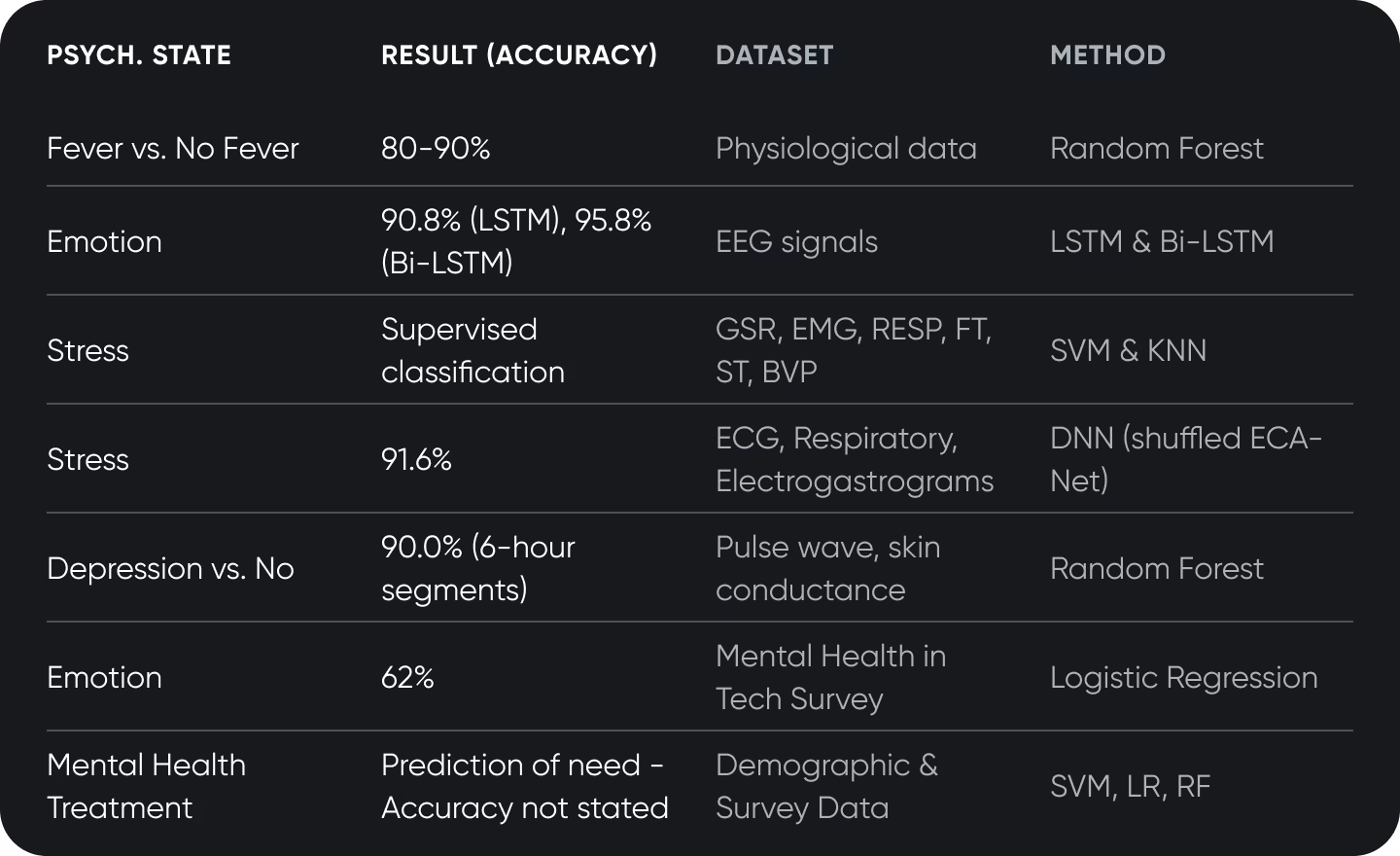
Note: All results and accuracies are taken from the studies. Let us know if you need links to double-check the facts.
Text analysis.
Sometimes, the numerical data is either insufficient or the accuracy leaves much to be desired. The second most natural place to begin AI analysis in a digital mental health setting is through text.
In a nutshell, earlier we could only analyze sentiment (more on that here), classifying content as positive, negative, or neutral. Or, using another technique — topic modeling — we could uncover recurring themes across large volumes of text, shedding light on what truly concerns people.
However, the real breakthrough came with the emergence of transformer-based architectures (like ChatGPT). These models learned to analyze context, detect subtle emotional shifts, capture long-range dependencies in text, and deliver remarkably accurate insights.
So, let’s take a look at which emotions can be detected — and with which models:
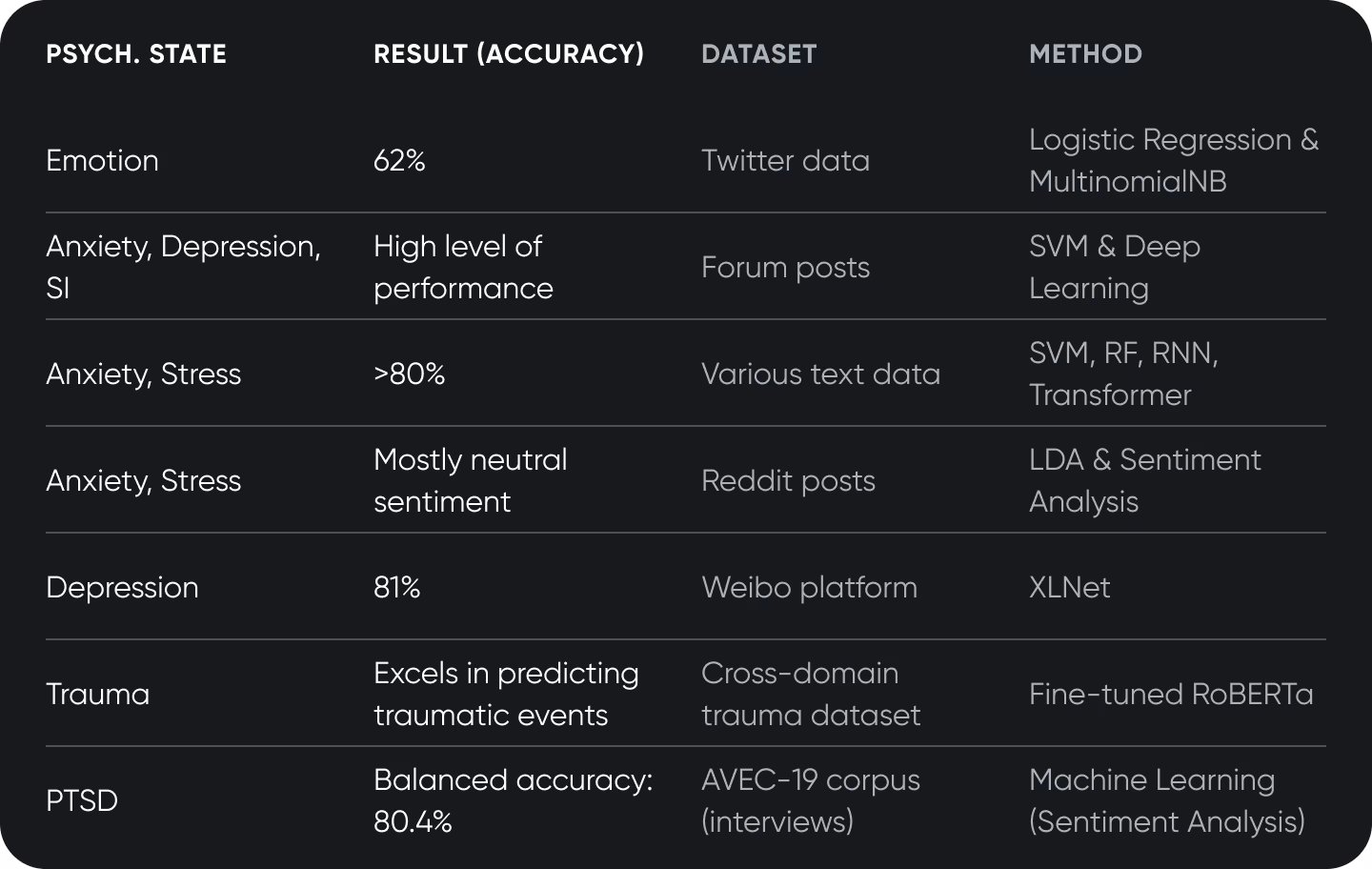
Are there other sources we can analyze emotions from? Yes. Bear with us.
Challenges and caveats of text analysis.
Indeed, while text-based AI models can achieve impressive results in classifying straightforward emotions expressed in writing — distinguishing, for example, between joy, anger, or sadness — this capability provides only a foundational layer of understanding.
When the objective shifts towards identifying more nuanced psychological states, such as chronic stress, anxiety patterns, or the early indicators of conditions like depression, relying solely on textual data reveals significant limitations:
- Lack of non-verbal cues.
Text misses the rich information conveyed through tone of voice, facial expressions, and body language. - Ambiguity.
Sarcasm, irony, and humor are notoriously difficult for AI to interpret correctly from text alone. - Masking.
Individuals might consciously or unconsciously present a different emotional state in their writing than what they truly feel.
Beyond words: the power of audio and video analysis.
Now, for the most interesting part.
To gain a deeper, more accurate understanding, AI can be employed to analyze richer data streams: audio and video. This allows the technology to tap into the non-verbal cues that are often more revealing than words alone.
Audio analysis.
By processing voice recordings, AI can analyze:
- Vocal tone.
Identifying characteristics like flatness (potential apathy/depression), agitation, sadness, or anxiety in the voice. - Speech pace and rhythm.
Detecting unusually fast or slow speech, long pauses, or hesitations that might indicate stress, low energy, or cognitive load. - Volume and energy.
Analyzing fluctuations in loudness or overall vocal energy. - Non-linguistic sounds.
Recognizing signs, specific types of laughter, or crying.
Think of it this way: AI distinguishes between a tired voice and a deeply sad one, or differentiate anxious, rapid speech from enthusiastic expression — nuances easily missed in text.
Steps to extract mental state from audio using AI:
Finally, let’s look at the example:
For the most curious.
Based on our industry observations and expertise, you can expect the following general performance ranges depending on the model and task complexity.
Note: These are the values that were obtained by the models on specific datasets. Rigorous testing on data representative of the intended application is required before using any AI model in real-world projects.
Thoughts.
If you are looking to begin exploring AI for emotion detection from audio, readily available pre-trained models can offer a solid starting point.
However, if the goal is to achieve higher accuracy or to tackle more complex tasks such as detecting stress or depression, foundational models mentioned above would typically require further fine-tuning on specialized datasets, or a custom model might need to be trained from scratch.
Video analysis.
Video: eMotion - Facial Expression Recognition (YouTube)
Okay. We’ve already written many words, so let’s speed things up.
From a video as a source, AI can analyze:
- Facial expressions.
Detecting macro- and micro-expressions associated with various emotions (happiness, sadness, anger, fear, surprise, disgust), even those fleeting expressions that might betray underlying feelings. - Gaze patterns.
Analyzing eye contact, gaze aversion, or changes in blinking rates, which can correlate with social anxiety, confidence, or cognitive effort. - Posture and body language.
Identifying indicators like slouching (low energy), fidgeting (anxiety/agitation), or closed-off body language.
How it actually works:
Models and outcomes.
As with audio analysis, the effectiveness of video analysis models depends on the specific task, the quality of the data, and the model’s architecture.
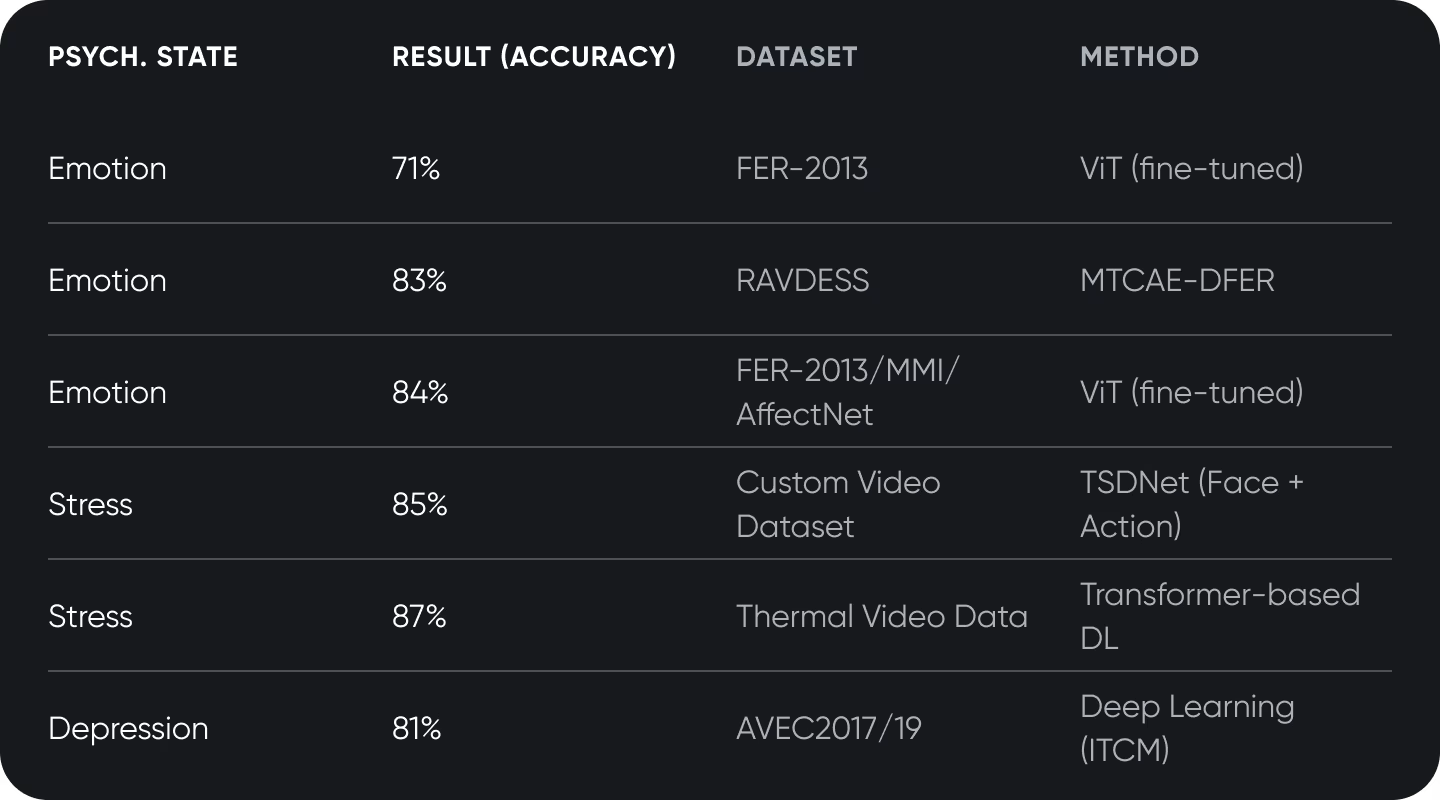
Recommendations for tech-savvy readers.
For tasks related to computer vision and facial analysis, a great starting point is the DeepFace library. It offers a wide range of features for analyzing facial images, including emotion recognition, age estimation, gender detection, and more. You can explore its full capabilities and get started on GitHub. Also, for facial expression recognition, it’s worth exploring the following models: vit-Facial-Expression-Recognition and vit-face-expression
Although models specialized in analyzing individual modalities, such as audio or video, show impressive accuracy in detecting emotions and psychological states, the true power lies in combining these modalities.
Get the most with multimodal AI analysis.
Okay, so what should be done if none of the individual approaches yield the desired result: low accuracy, incorrect analysis, and so on?
Fortunately, we can combine approaches using multimodal methods, thereby increasing the accuracy of the analysis.
The rationale behind this is that different modalities capture complementary aspects of an individual’s psychological condition and compensate for the weaknesses of individual modalities, increasing the system’s robustness. For instance, facial expressions might reveal immediate emotions, while the content of speech could provide insights into underlying thoughts, and physiological signals might reflect the body’s response to stress.
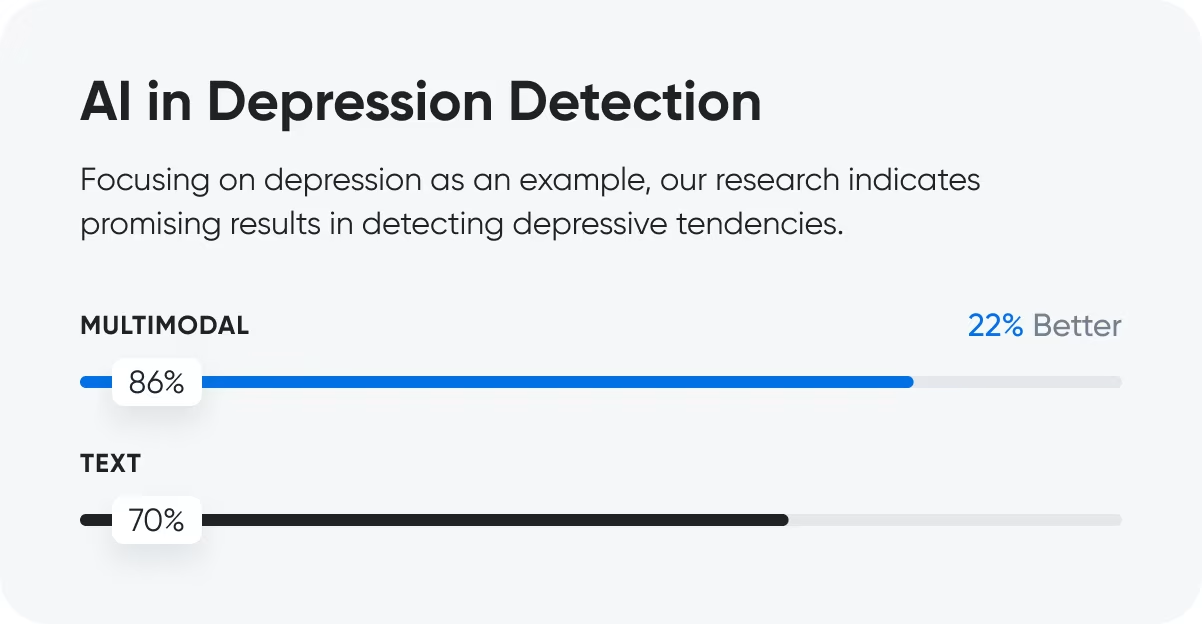
Multimodal models and their effectiveness.
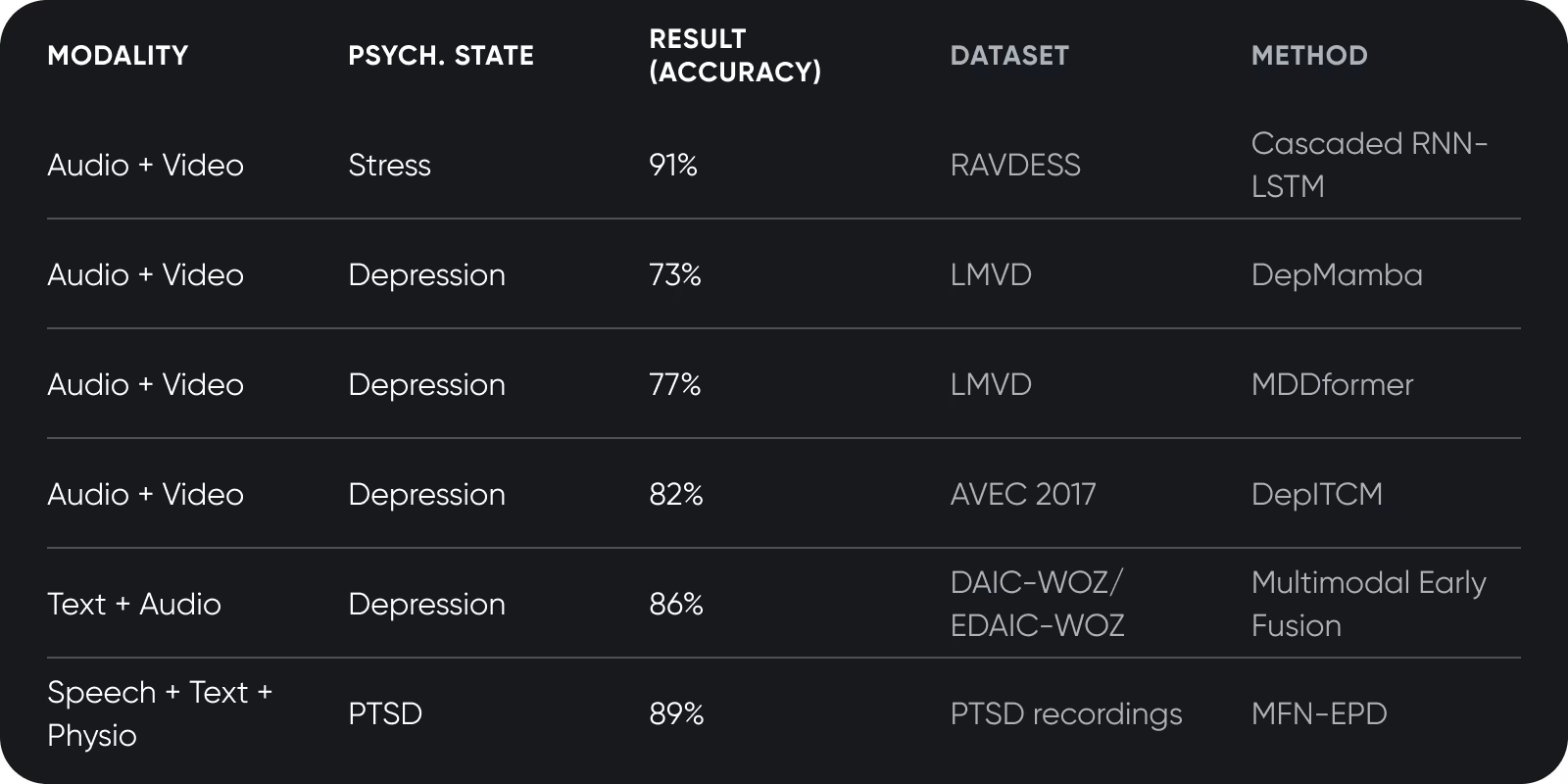
You can learn more about these methods and the ideas behind them by following their links: Cascaded RNN-LSTM, DepMamba, MDDformer, DepITCM, Multimodal Early Fusion, MFN-EPD.
Challenges and limitations.
While the potential is huge, there are significant hurdles:
- Data privacy and security.
Using sensitive personal data like text, audio, video, and physiological signals to identify psychological states brings up considerable ethical concerns related to data privacy and security. Protecting individuals’ information and ensuring it is used responsibly are, therefore, crucial. - The complexity challenge.
Human emotion is incredibly nuanced and varies significantly from person to person, making it tough to teach AI to reliably understand this full spectrum. - The data bottleneck.
A significant hurdle is data scarcity. Collecting sensitive audio-visual data faces privacy/ethical barriers, and existing lab-based datasets often don’t reflect real-world behavior, limiting AI reliability.
Overcoming these challenges, especially ensuring privacy and getting enough diverse, real-world data, is essential before this technology can be widely and responsibly deployed.
Successfully doing so, however, unlocks significant business advantages, which we detail further in our previous article.
Conclusion.
In this article, we analyzed various AI approaches to studying human emotions and mental states.
Based on our experience, any approach — whether it’s text, video, audio, or physiological data — is effective depending on the specific task.
The general recommendation is to start with a clear understanding of precisely what you want to analyze and for what purpose you want to use AI. Try to find ready-made models for your task. If there are no exact matches, choose the closest one and fine-tune it using your own data. If that doesn’t work either, consider creating a consensus from several AI models or using a multimodal approach.
It is only important to remember data, safety, and ethics, as we mentioned above.
If you need help with choosing models, adapting them, or even just testing, let us know.
And remember, AI, positioned correctly as a means to augment human expertise, not replace it, offers transformative potential. The key lies in pursuing this future responsibly and ensuring that innovation in mental health technology always serves humanity’s best interests, ethically and effectively.