
A product retention lesson from Notion.
A product retention lesson from Notion.
I use Notion for everything: notes, habits, plans, goals, even content planning, and I'm clearly not the only one.
The reason is psychological. Our brains hate learning new systems, so once you've mastered Notion's interface, every new need starts to look like a job for it. It's known as the law of the instrument:
"When you have a hammer, everything looks like a nail."
Each new use makes the next one easier, until leaving feels like moving house. That's retention built on familiarity, with no reminders involved.
What second job could users bring to your product? Let's find it together.
#ProductRetention #BehavioralDesign
Related posts
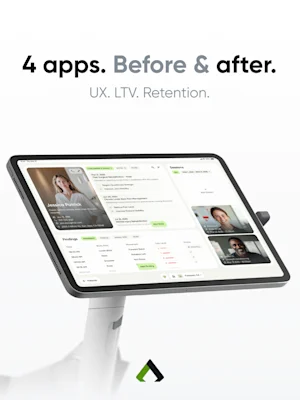 Digital product design, before and after.
 Reliqio
 Almorada's CTO on working with Reliqio.
 Ilya Khomko
 Airbnb UX: how trust turns into conversion.
 Valeria B.
 Push notifications that improve app retention.Valeria B.
 Health app retention starts with how users feel.Valeria B.
 Duolingo's retention strategy, explained.Valeria B.
- The secret behind why Notion became people's second brain.
- How did they do it?
- We can all agree, and me personally as well, when people start using Notion, they use it for everything.
- Notes, habits, business, journaling, plans, goals, content planning.
- Psychologically, that's incredibly powerful because our brain hates learning new systems.
- There's a psychological principle: if you have a hammer, everything starts looking like a nail.
- Notion becomes that hammer, and once the user masters the interface, their brain naturally wants to force more of their life into the same ecosystem, because familiarity reduces mental friction.
- And the more of your life you can organize inside one system, the more you start using it.
Notion's retention is built on familiarity. Each new need looks like a job for the tool people already know, with no reminders involved.
Key points:
The brain dislikes learning new systems, and familiarity reduces mental friction.
The principle is the law of the instrument: "If you have a hammer, everything starts looking like a nail."
Once people master the interface, they bring more of their life into it: notes, habits, plans, goals, content planning.
The more of a person's life one system holds, the more they use it and the harder it is to leave.
Look for the second job users could bring to your product.