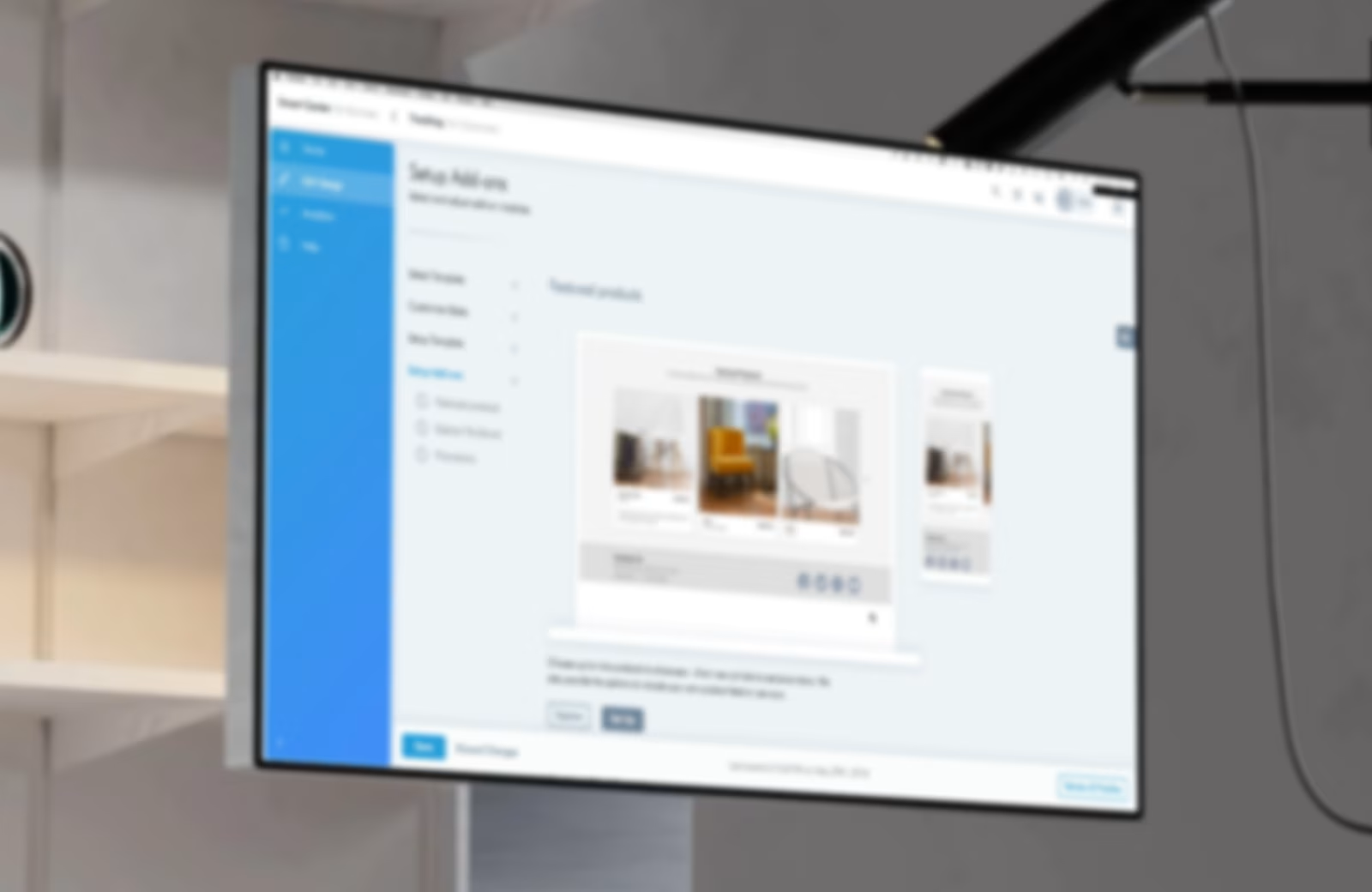
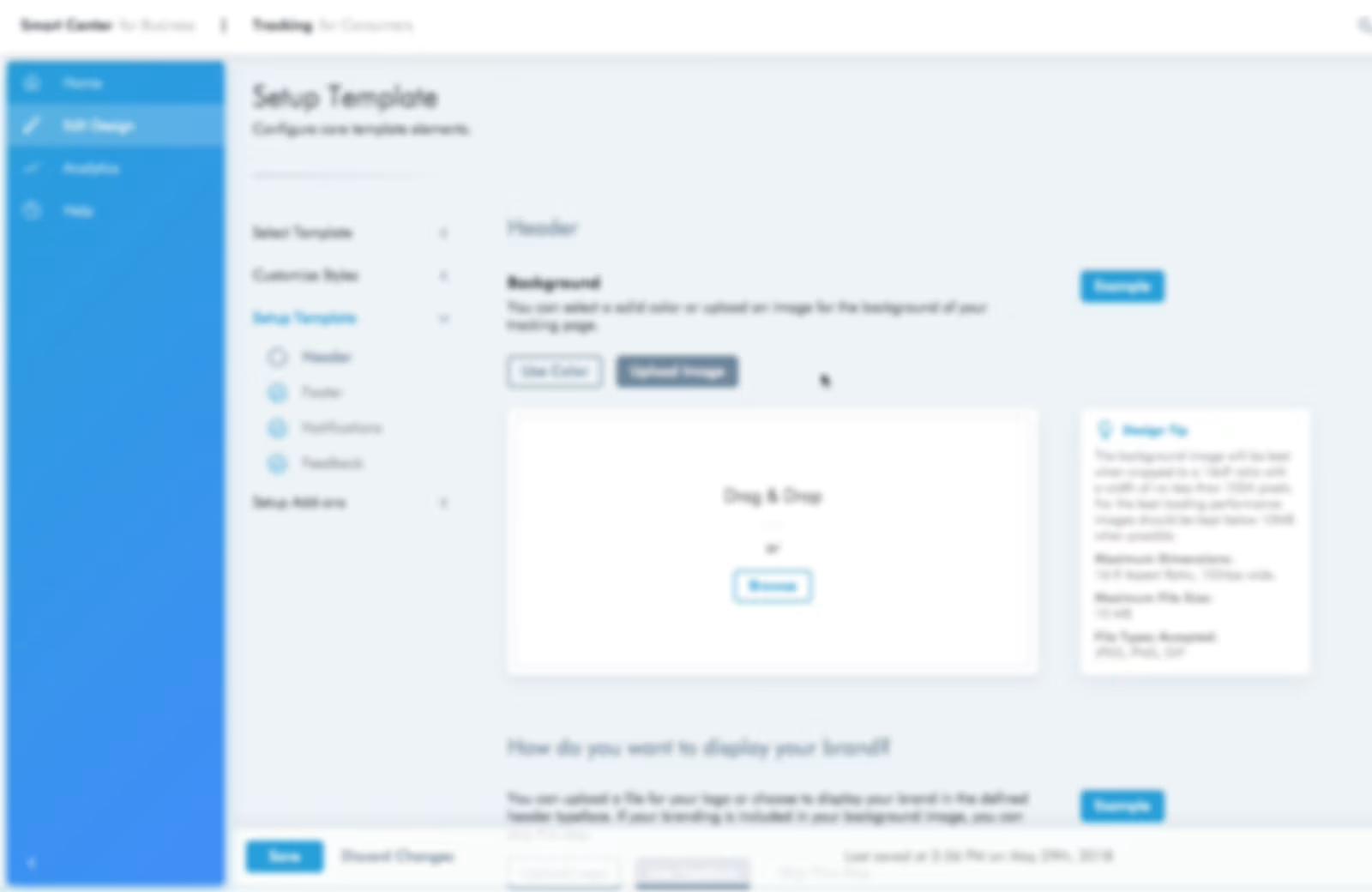
White-label storefront builder for enterprise brands.
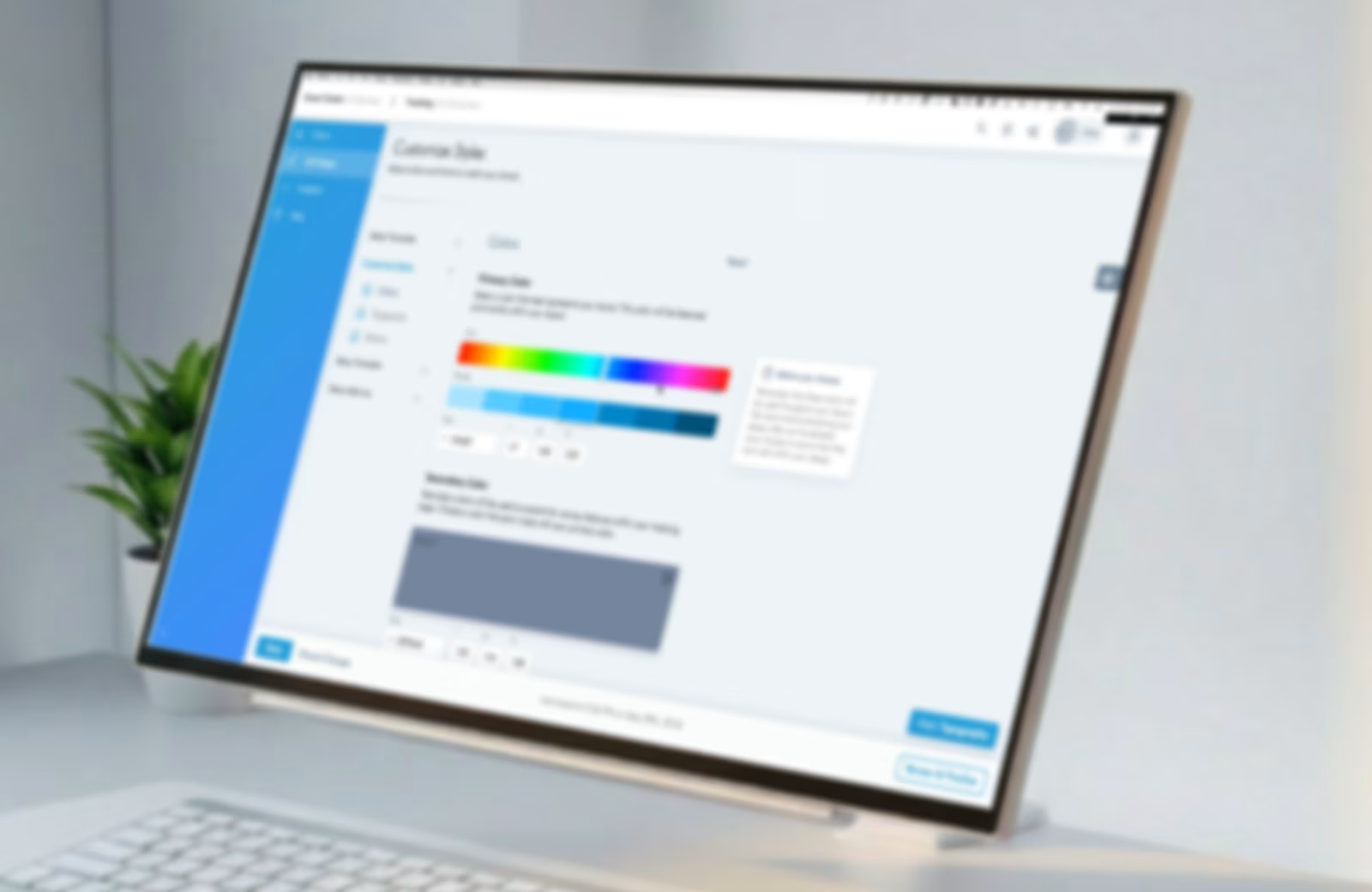
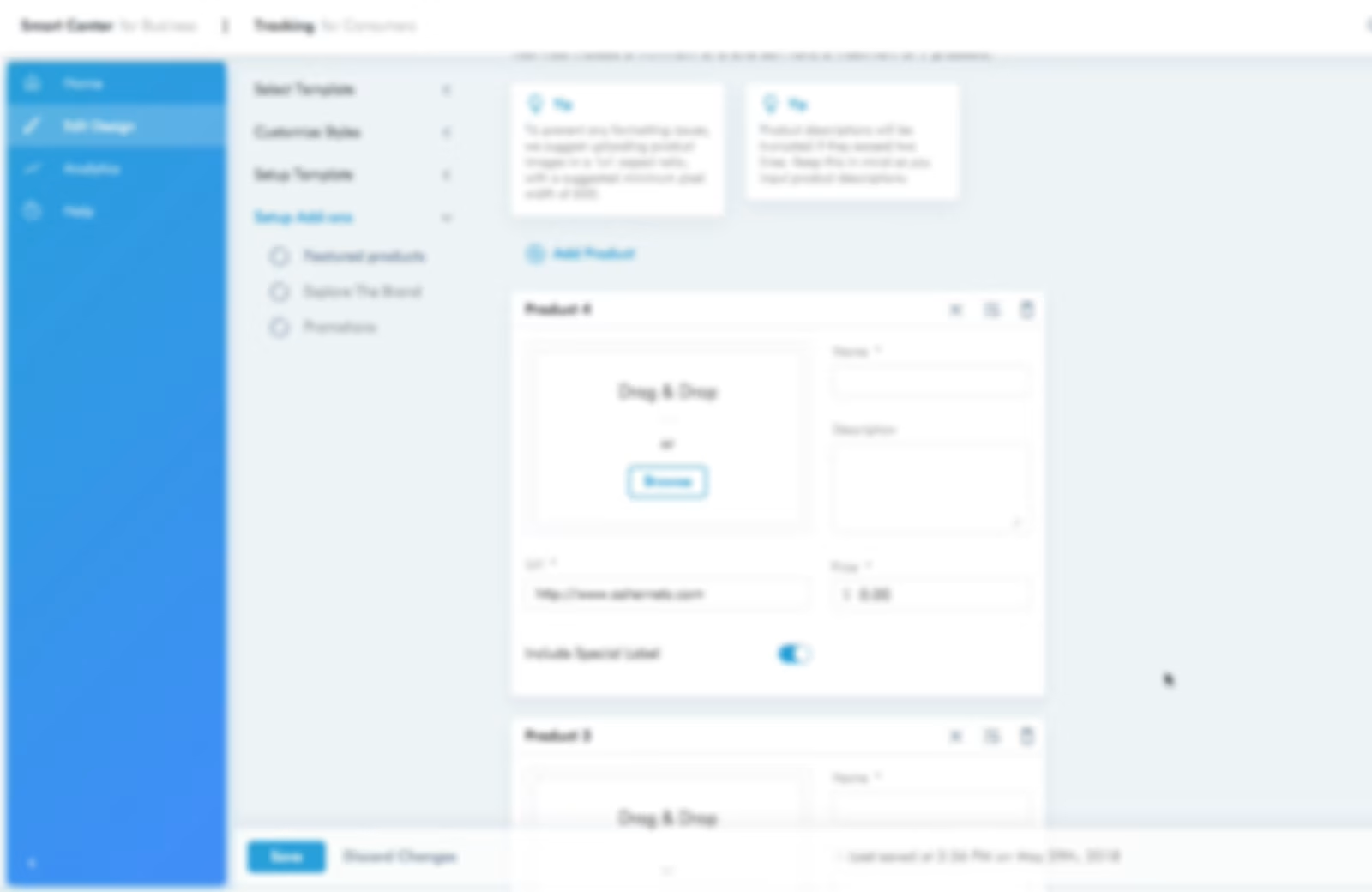
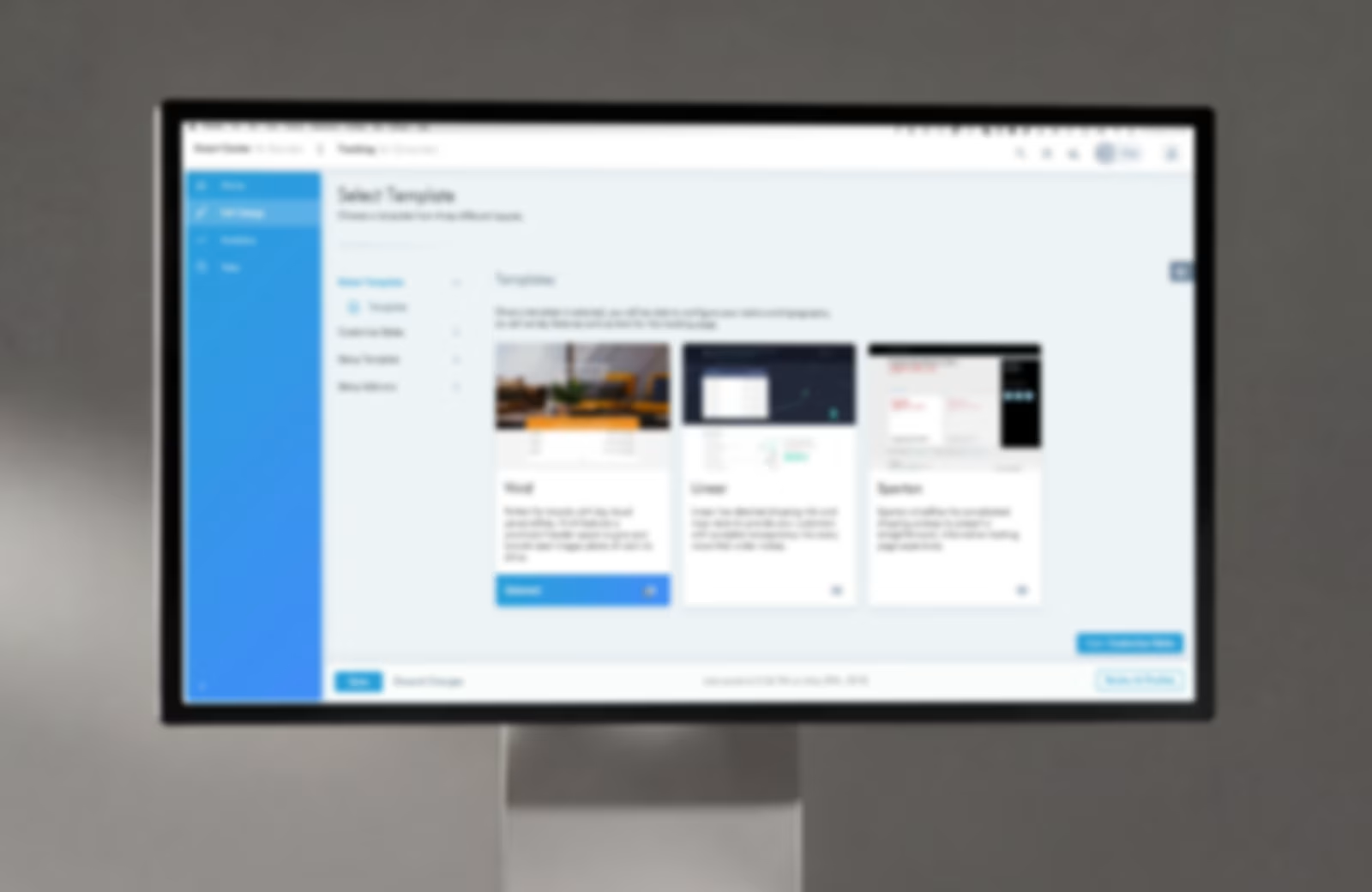
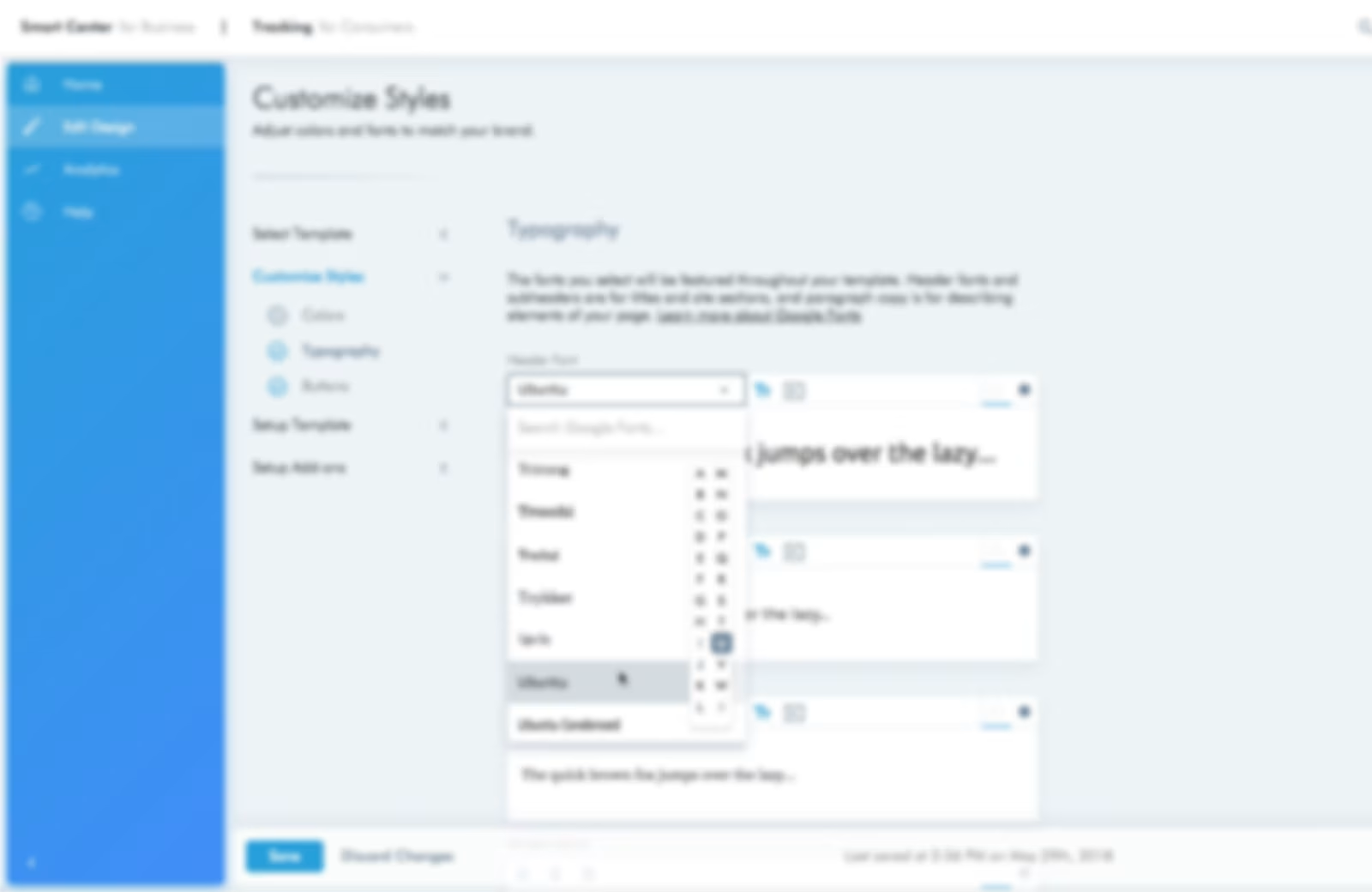
A white-label eCommerce site builder platform enabling enterprise brands to create custom-branded storefronts and product pages. Template-based CMS with customizable styles, widgets, and product listings — purpose-built for B2B enterprise clients. Think Wix/Webflow, but tailored for large-scale B2B use cases.
Delivered by the core engineering team that today operates as Reliqio. ~80% of the engineering team on this project continues to work under Reliqio. Client-side management was provided by the enterprise client.
This client is bound by a non-disclosure agreement, so names, visuals and figures on this page are obfuscated. Need more detail? Reach out and we'll share what we can.
Challenge.
Business challenge. The client — a US-based enterprise company — needed to differentiate in a competitive market. Their enterprise customers (major global brands) wanted branded, customer-facing digital experiences rather than generic pages. The business needed a self-service platform that let clients build custom-branded storefronts and product pages without requiring custom development work for every new brand. Without it, onboarding each new client meant bespoke development, slow time-to-market, and poor scalability.
Technical challenge. Three compounding problems: a corporate acquisition mid-project forced a full frontend rewrite from React to Angular for organizational consistency — with no Angular-experienced developers on the team; the external design agency delivered desktop-only layouts (12px fonts, tiny UI elements) with no mobile or PWA support, and refused to iterate without significant additional budget; and 30K+ lines of code needed refactoring for performance, with no CI/CD pipeline — deployments were manual and error-prone.
Leadership and team challenge. The tech stack pivot demoralized the frontend team — their React expertise was suddenly irrelevant, and morale was fragile. Simultaneously, the project required coordination across four time zones (US, Mexico, Europe, Ukraine) under shifting corporate structures during an active acquisition. Later, the team was reduced from ~6 FTE to 2 frontend developers, with the backend transitioning to a Java team on the client's side — requiring a smooth handoff while maintaining delivery velocity.
Solution.
Took over frontend leadership and led the full Angular migration from React. Upskilled the team through weekly collaborative workshops, turning a demoralized group into confident Angular contributors proposing architectural ideas. Redesigned the UI in-house for full responsive and PWA support, bypassing the costly external agency. Built a design language system with a streamlined Figma/Adobe XD handoff process, standardizing design-to-dev workflows. Refactored 30K+ lines of code for performance and maintainability. Implemented CI/CD pipelines (CircleCI, GitHub Actions) to automate deployments and reduce manual errors. Coordinated cross-functional collaboration across time zones, maintaining delivery velocity through the acquisition transition and team reduction.
Impact.
LTV / Retention / Conversion / CAC / UX: