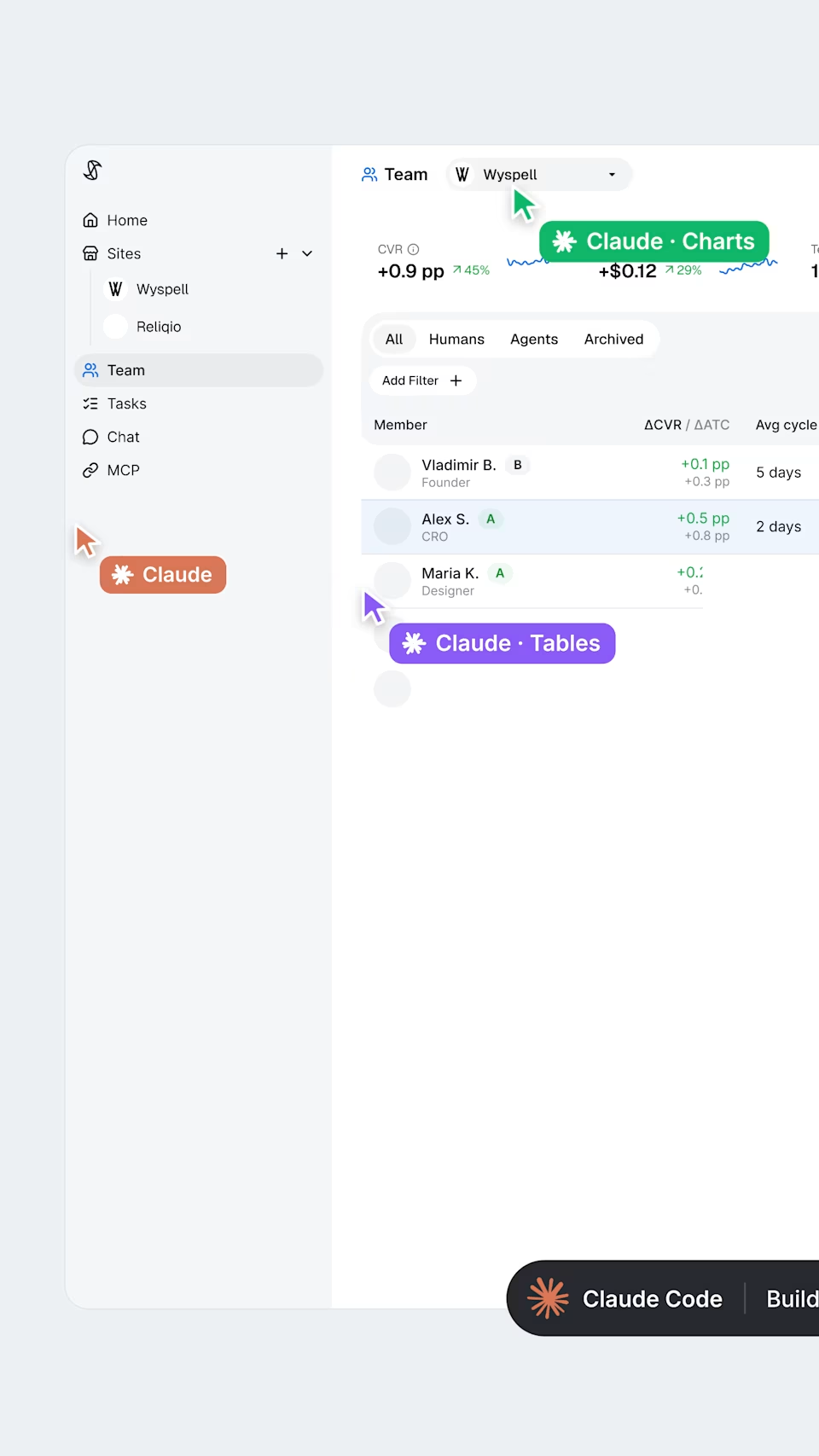
Fable 5.2 in UI/UX is just insane. How our team at Reliqio delivers client designs 2x faster.
Fable 5.2 in UI/UX is just insane.
How our team at Reliqio delivers client designs 2x faster.
In the video, Claude builds three pages of our new platform in a couple of minutes: page analytics, conversion, carts and revenue.
What you'll need:
Your own component library. We connect our components to AI through an API, so it builds screens from real design system elements instead of making up its own.
Clear requirements. We describe what each page should show and who it's for, and AI designs around those goals.
The more context, the better the result. No library? A few screenshots in one style will do. But the more components or examples you give, the closer you get to what you need.
We still review every screen and fix things by hand. But work that used to take days now takes hours. And for business, that's what matters: faster design means more hypotheses and A/B tests every week, and that means faster conversion growth.
We first tested this process on Neurel, our app that's in development right now. Now we use it on real client projects too.
Want to speed up your own design process? Let's talk.
Related posts
 AI page builder for Scaleside: funnels from a single prompt.
 Alex S.
 How AI coaching beats the day-30 drop in a fitness app. Most fitness apps lose users in the first month.
 Reliqio
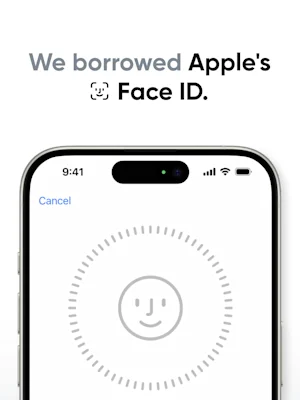 What Face ID taught us about AI product design.Reliqio
 Building apps with AI changes what matters.
 Valeria B.
 AI product design needs taste.Valeria B.
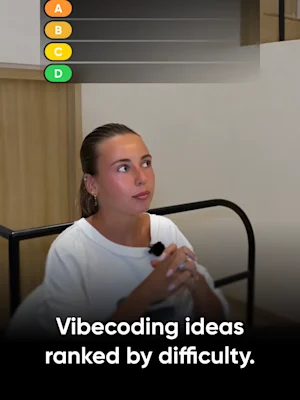 App ideas ranked by vibe coding difficulty.Valeria B.
Reliqio's design team uses Fable 5.2 to deliver client designs 2x faster. In the video, Claude builds three pages of a new platform in a couple of minutes.
Key points:
A component library connected through an API, so AI builds from real design system elements.
Clear requirements: what each page should show and who it's for.
More context, more components or examples, gives a closer result. A few screenshots in one style work without a library.
Every screen is still reviewed by hand, but days of work now take hours, which means more A/B tests every week.
Most useful for product teams looking to speed up design without losing control of quality.